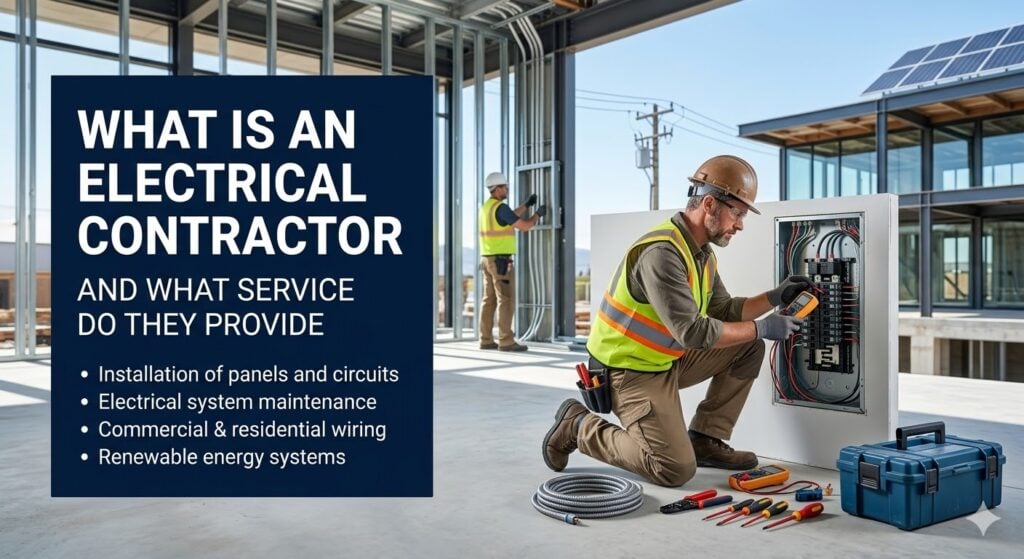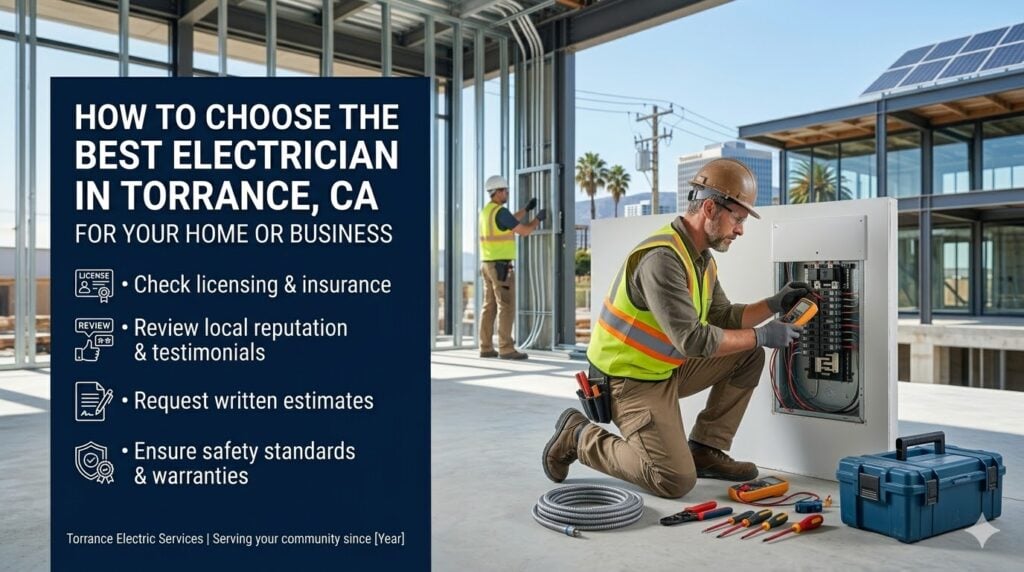
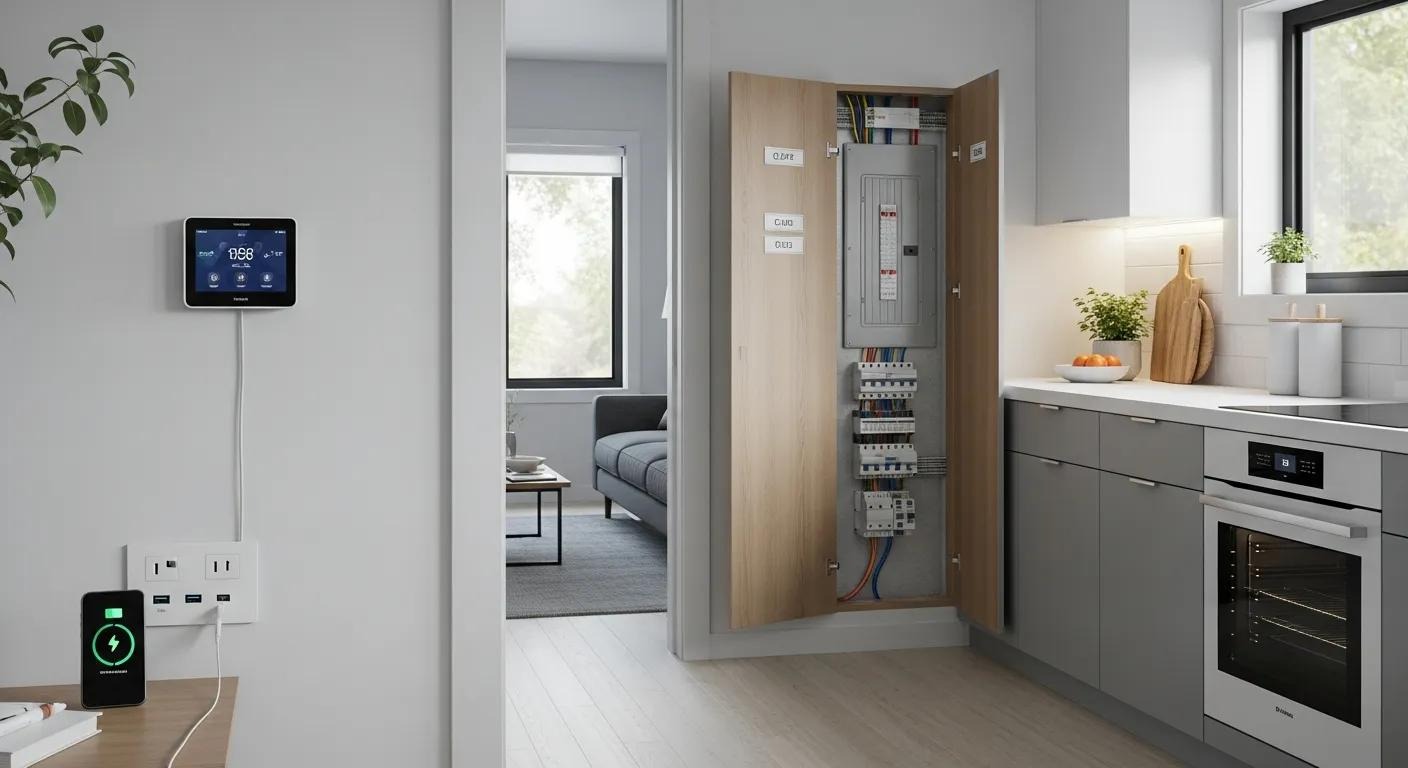
Upgrading your home’s electrical system is essential to improve safety and efficiency. Older systems may not support modern appliances or current safety standards. This guide reviews the primary residential electrical upgrades that can enhance safety and reduce energy waste. Common issues include outdated wiring, insufficient service capacity, and missing safety devices, which increase the risk of electrical fires and inefficiency. Implementing appropriate upgrades mitigates these risks and results in a safer, more efficient home. The article covers electrical panel upgrades, AFCI and GFCI devices, smart devices, LED lighting upgrades, and emergency electrical services.
Beyond safety and efficiency, electrical upgrades can increase property value and reduce long-term maintenance costs. Homeowners who plan renovations or add high-demand equipment—such as electric vehicle chargers, modern HVAC systems, or larger kitchen appliances—should evaluate electrical capacity before installation. Prioritizing upgrades based on risk (for example, correcting warm outlets or persistent breaker trips first) achieves the best balance of safety and cost-effectiveness. This guide provides practical considerations to help you prioritize work and prepare for professional assessments.
Electrical Panel Upgrades
Electrical panel upgrades are necessary to modernize a home’s electrical infrastructure. A higher-capacity panel supports contemporary appliances and prevents overloads. Newer panels include improved safety features and comply with current codes, reducing the risk of electrical fires and related hazards.
When evaluating a panel upgrade, an electrician will review the service rating, the condition of bus bars and breakers, grounding and bonding, and the physical condition of the enclosure. Older fuse boxes and panels that lack space for additional circuits are common reasons to upgrade. Replacing an outdated panel also offers an opportunity to add modern safety devices at the source, such as surge protection and AFCI/GFCI combination breakers, which provide layered protection for circuits.
What Are the Benefits of Electrical Panel Upgrades for Home Safety?
Upgrading the electrical panel improves safety by providing enhanced circuit protection and reducing the risk of fire. Modern panels accommodate greater loads, which is important as households use more high-powered devices. Upgrades also ensure compliance with current safety standards.
In practice, a correctly sized panel reduces nuisance tripping and minimizes the need for extension cords or overloaded multi-plug setups. Properly labeled circuits and a tidy, code-compliant installation make both daily use and emergency troubleshooting easier for homeowners and service technicians. These usability improvements complement the direct safety benefits.
How Does Upgrading Your Electrical Panel Enhance Safety and Capacity?
Panel upgrades increase service capacity and strengthen circuit protection. Newer panels accept additional circuits, allowing the addition of modern appliances without overloading the system. They also address risks from aging wiring and breakers that may fail to trip during overloads.
A well-executed upgrade includes evaluating feeder cables, the main disconnect, and available meter capacity. In some cases, modest changes to branch circuits, adding dedicated circuits for major appliances, or relocating loads can deliver the necessary capacity without a full service replacement. Your electrician will recommend the least disruptive, safest approach for your home.
The rated capacity of electrical service panels is a key consideration when modernizing homes to meet higher electrical demand and support electrification.
Residential Electric Panel Upgrades for Electrification
One significant barrier to increasing service capacity for LADWP customers to facilitate this transition is the rated capacity of their electrical service panels. These are pieces of customer-owned hardware that serve as the interface between the utility distribution network and the building’s internal energy systems.
Service Panel Upgrade Needs for Future Residential Electrification, ED Fournier, 2023
What Are the Typical Costs and Requirements for Panel Upgrades in South Bay?
The cost of upgrading an electrical panel in the South Bay area typically ranges from $1,500 to $3,000, depending on installation complexity and panel type. Homeowners should also plan for permits and inspections to ensure compliance with local codes. Engaging a licensed electrician for the upgrade is essential to guarantee safety and regulatory adherence.
Labor, materials, required permits, and any needed changes to service conductors or meter equipment influence costs. Access to the panel, required trenching or conduit work, and whether additional grounding or bonding is necessary will affect the scope. Your electrician can provide an itemized estimate and explain permit timelines, inspection steps, and any coordination required with the local utility.
AFCI and GFCI Devices
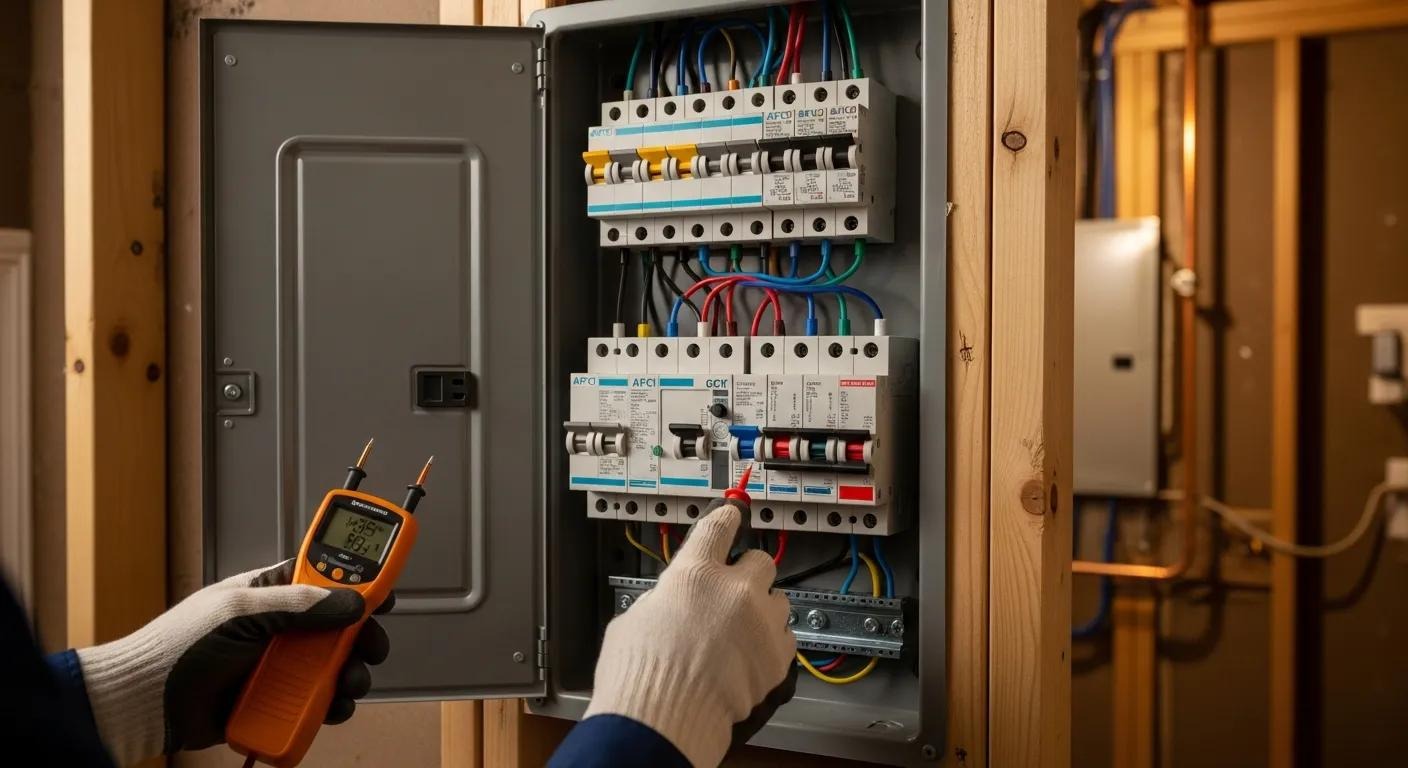
(Arc Fault Circuit Interrupter) Ground fault circuit interrupters (GFCIs) are essential safety components. They monitor electrical currents and disconnect power when they detect irregularities to help prevent fires and electric shock.
These devices can be installed as dedicated receptacles or as breakers at the panel. Combination-type AFCIs are designed to detect a wider range of arcing signatures, and receptacle-style devices, GFCI breakers, or whole-home protected circuits can provide GFCI protection. Selecting the correct device for each location ensures the right balance of protection and convenience.
How Do Arc Fault and Ground Fault Circuit Interrupters Improve Electrical Safety?
AFCI devices detect dangerous arcing from damaged or frayed wiring and interrupt the circuit to prevent fires. GFCI devices detect ground faults and cut power to prevent electric shock, particularly in wet locations such as bathrooms and kitchens. Together, these devices significantly improve a home’s electrical safety.
Routine testing and maintenance help maintain effectiveness. GFCI outlets typically have a built-in test button, and homeowners should test these devices periodically, following the manufacturer’s guidance. AFCI breakers should be tested or inspected by a qualified electrician if nuisance tripping occurs or as part of standard electrical maintenance.
What Is the Role of AFCI and GFCI Devices in Preventing Electrical Fires?
AFCIs reduce fire risk by identifying arcing conditions that can ignite nearby materials. GFCIs reduce the risk of electric shock in moisture-prone areas. Correct selection and installation of these devices throughout the home are critical to maximizing safety.
Where Should AFCI and GFCI Outlets Be Installed in Your Home?
AFCI protection is recommended in living areas, bedrooms, and hallways where fire risk is higher. GFCI protection is required in areas exposed to moisture, such as bathrooms, kitchens, and outdoor outlets. Proper installation ensures compliance with local codes and enhances overall safety.
In addition to code-required locations, consider GFCI protection for garages, basements, and any outdoor wiring runs exposed to weather. AFCIs are an important layer of protection in finished living spaces and should be used where devices and wiring are likely to see continuous use and potential wear.
Smart Devices
Integrating smart devices into the home electrical system improves energy management and convenience. Smart solutions allow homeowners to monitor and control energy use in real time, supporting greater efficiency and potential cost savings.
Smart devices range from simple smart switches and bulbs to whole-home energy-monitoring panels and smart breakers. Energy monitors that report circuit-level consumption help identify high-usage loads and can inform decisions such as shifting loads to off-peak times or upgrading inefficient equipment. When using smart devices, ensure they are compatible with the home’s wiring and that controls are installed in accessible locations.
How Do Smart Electrical Systems Enhance Energy Management and Convenience?
Smart systems provide real-time energy consumption data, enabling homeowners to identify opportunities for savings. Automated controls allow scheduling of appliances and lighting to optimize energy use. These systems can also integrate with renewable sources to further improve efficiency.
Practical uses include scheduling water heaters, running heavy loads during off-peak hours when rates are lower, and using occupancy-based lighting controls to reduce energy waste. Many systems offer historical usage reporting, which helps homeowners track savings from upgrades like LED retrofits or new appliances.
What Compatibility and Installation Requirements Should Homeowners Know?
Homeowners should confirm device compatibility with existing wiring and control systems. Professional installation is often recommended to ensure correct integration and reliable operation. Costs vary based on system complexity and the number of devices installed.
Additional considerations include network reliability, secure device configuration, and firmware updates. Discuss with your electrician whether devices should be hardwired into the panel, installed at the receptacle, or connected via an auxiliary hub. Properly integrating smart controls reduces the chance of nuisance issues and helps maintain safe operation.
LED Lighting Upgrades
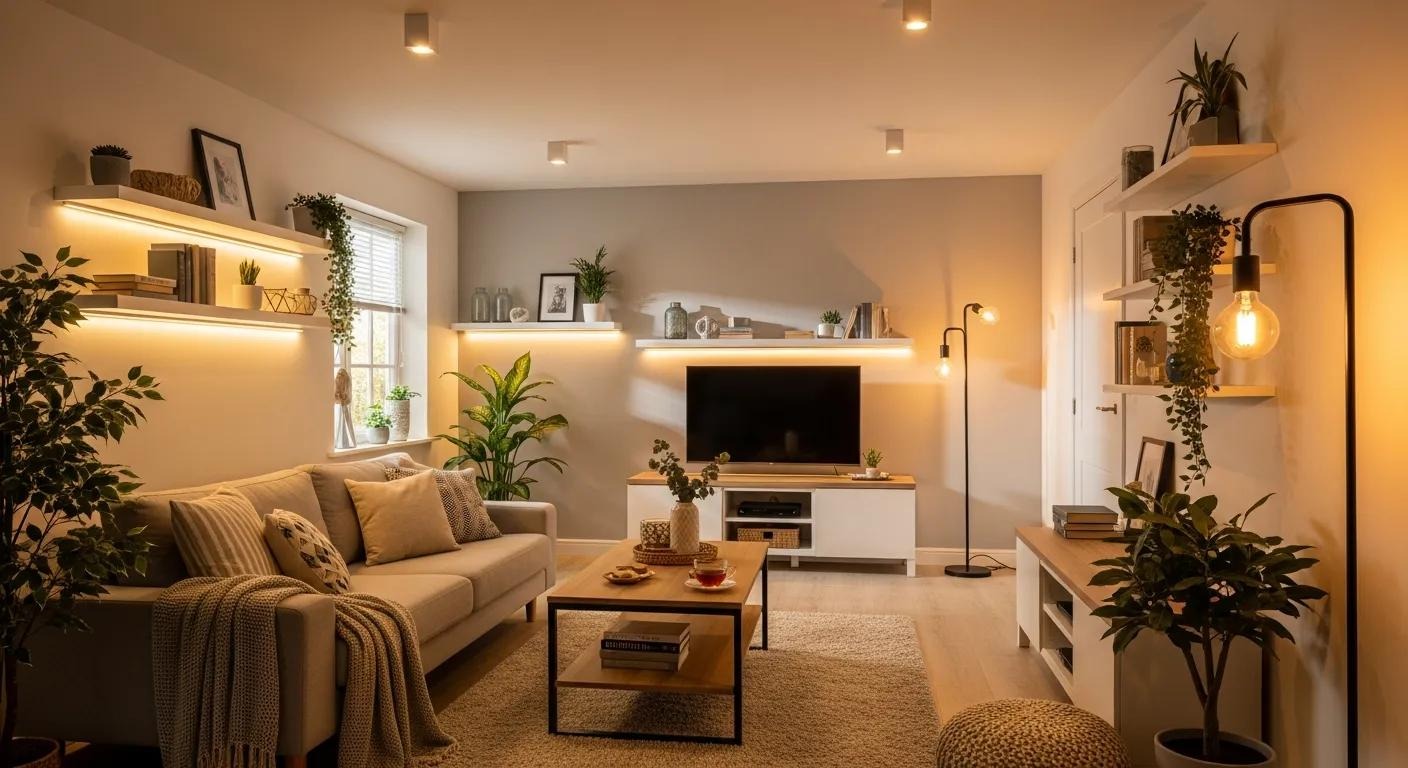
Upgrading to LED lighting is an effective method to improve home energy efficiency. LED fixtures consume substantially less energy than traditional incandescent bulbs, resulting in lower electricity bills and reduced environmental impact.
When planning LED upgrades, consider lumen output (a measure of brightness), color temperature (the appearance of light, from warm to cool), and dimming compatibility. Choosing the right LED for enclosed fixtures or dimmer circuits helps prevent early failure and ensures consistent lighting quality. A thoughtful mix of ambient, task, and accent lighting improves comfort while maximizing savings.
How Can Energy-Efficient Lighting Upgrades Reduce Costs and Improve Efficiency?
Energy-efficient lighting reduces costs by lowering energy consumption. LED bulbs use up to 75% less energy than traditional bulbs, producing substantial savings over time. LEDs also have longer lifespans, which reduces replacement frequency and maintenance costs.
What Are the Advantages of LED Lighting Retrofits for Homes?
LED retrofits offer lower heat output, which reduces fire risk, and deliver cost savings through reduced energy use and longer bulb life. These benefits improve home comfort and sustainability, making LED upgrades a practical investment for homeowners.
For retrofits, select quality products with appropriate certifications and reliable warranties. Where recessed cans or dimmers are present, verify that LED replacements are rated for enclosed fixtures and are compatible with the installed dimmer type. When replacing many fixtures, staging upgrades room-by-room helps manage upfront costs while delivering immediate savings.
Emergency Electrical Services
Emergency electrical services address urgent issues that pose immediate safety risks. Access to licensed electricians who can respond promptly enables homeowners to resolve hazards quickly and safely.
Emergency response commonly involves initial triage to isolate hazards, such as shutting off affected circuits or the main service if required, followed by temporary measures and a plan for permanent repair. Qualified electricians will prioritize safety, document findings, and provide a clear estimate for corrective work. Having an electrician’s contact information and a basic understanding of your home’s electrical layout speeds response time during urgent situations.
Importance of Emergency Electrical Services
Rapid response to electrical emergencies is essential to maintain safety during critical situations. Licensed electricians are trained to manage urgent faults and restore safe operation. Regular inspections and maintenance also help prevent emergencies and are an important part of ongoing electrical care.
Preventive measures — such as replacing damaged cords, ensuring outlets are not overloaded, and scheduling periodic professional inspections — reduce the likelihood of emergencies. Keep clear access to the electrical panel and ensure family members know how to safely shut off the power if instructed by a professional.
| Upgrade Type | Benefits | Cost Range |
|---|---|---|
| Electrical Panel Upgrade | Increased capacity, enhanced safety | $1,500 – $3,000 |
| AFCI Devices | Prevents electrical fires | $100 – $200 per device |
| GFCI Devices | Prevents electric shocks | $50 – $150 per device |
| LED Lighting | Energy efficiency, cost savings | $5 – $30 per bulb |
This table summarises the various electrical upgrades, their benefits, and associated costs to help homeowners make informed decisions about improving their electrical systems.
In conclusion, investing in residential electrical upgrades is vital to enhance safety and efficiency in your home. Regular inspections and consultations with licensed electricians, such as those from Fastwire Electric, help ensure compliance with safety standards and optimize your electrical system to meet modern demands. By prioritizing these upgrades, homeowners can achieve a safer, more efficient living environment.
For any electrical needs or to schedule a consultation, contact us today. We are available to assist with all your electrical requirements.
Frequently Asked Questions
What are the signs that my home needs an electrical upgrade?
Signs that your home may need an electrical upgrade include frequent circuit breaker trips, flickering lights, and regular use of multiple extension cords. Burning odors or warm outlets are serious indicators of potential electrical hazards. Homes built more than 30 years ago may have wiring that cannot support modern demands. Consult a licensed electrician for a thorough inspection and recommendations.
During an inspection, the electrician will typically check panel condition, circuit loading, grounding, and visible wiring. They can recommend a prioritized plan that addresses immediate hazards first and schedules lower-risk improvements over time. Documenting these recommendations helps homeowners make informed budgeting decisions.
How often should I have my electrical system inspected?
Have your electrical system inspected every 3 to 5 years, or more often if you notice issues. Regular inspections identify hazards, such as outdated wiring or overloaded circuits, before they become serious. Inspections are particularly important after renovations or when adding major appliances to confirm that the system can safely handle the increased load.
In addition to scheduled inspections, consider a targeted review following any event that could affect wiring integrity, such as water intrusion, rodent activity, or visible construction-related damage. Keep records of inspections, repairs, and permits to streamline future work and resale disclosures.
Can I perform electrical upgrades myself, or should I hire a professional?
Minor electrical tasks may be suitable for homeowners, but a licensed electrician should perform significant upgrades. Professionals ensure work complies with local codes and safety standards. Attempting complex upgrades without proper training can create serious hazards, including fire or shock. Hiring a professional ensures the work is completed safely and correctly.
Experienced homeowners may handle tasks such as replacing switches or bulbs according to the manufacturer’s instructions. Still, a licensed professional should always perform work involving the panel, circuit modifications, or new dedicated circuits. This reduces risk, ensures code compliance, and protects insurance coverage.
What are the energy savings associated with LED lighting upgrades?
Upgrading to LED lighting can yield significant energy savings, as LED bulbs use up to 75% less energy than traditional incandescent bulbs. This reduction lowers electricity bills and provides long-term cost-effectiveness. LEDs also have longer lifespans, which reduces replacements and waste. Overall, transitioning to LED lighting benefits both finances and the environment.
The exact savings depend on hours of use, the number of fixtures replaced, and local energy costs. Replacing high-use fixtures first—such as kitchen, hallway, and porch lights—typically produces the fastest payback. Many homeowners combine LED upgrades with smart controls to maximize savings through scheduling and occupancy sensing.
What should I consider when choosing smart devices for my home?
When selecting smart devices, verify compatibility with your existing electrical system and household needs. Choose devices with reliable connectivity and user-friendly interfaces. Review installation requirements, as some devices require professional installation for optimal performance. Also consider long-term costs, including any subscription fees for advanced features.
Pay attention to security and privacy features, such as strong authentication and regular firmware updates. If integrating multiple devices, plan for a stable network and consider segmenting IoT devices from primary home networks. Your electrician can advise on wiring and mounting considerations to ensure reliable operation.
How can I ensure my home is compliant with electrical safety codes?
To ensure code compliance, engage a licensed electrician for upgrades and installations. They are knowledgeable about local regulations and can perform required inspections. Regular maintenance and detailed records of electrical work also support ongoing compliance with safety standards.
Keep copies of permits and inspection reports, and ask the contractor for a final sign-off or certificate of completion where applicable. This documentation is valuable for insurance, resale, and future upgrades, and it demonstrates that work was completed to accepted standards.
Conclusion
Investing in residential electrical upgrades is essential to improve safety and efficiency. Prioritizing improvements such as electrical panel upgrades, AFCI and GFCI devices, and LED lighting can reduce risks and lower energy costs. Engaging licensed electricians ensures compliance with safety standards and optimal system performance. Take the first step toward a safer, more efficient home by exploring our professional services today.