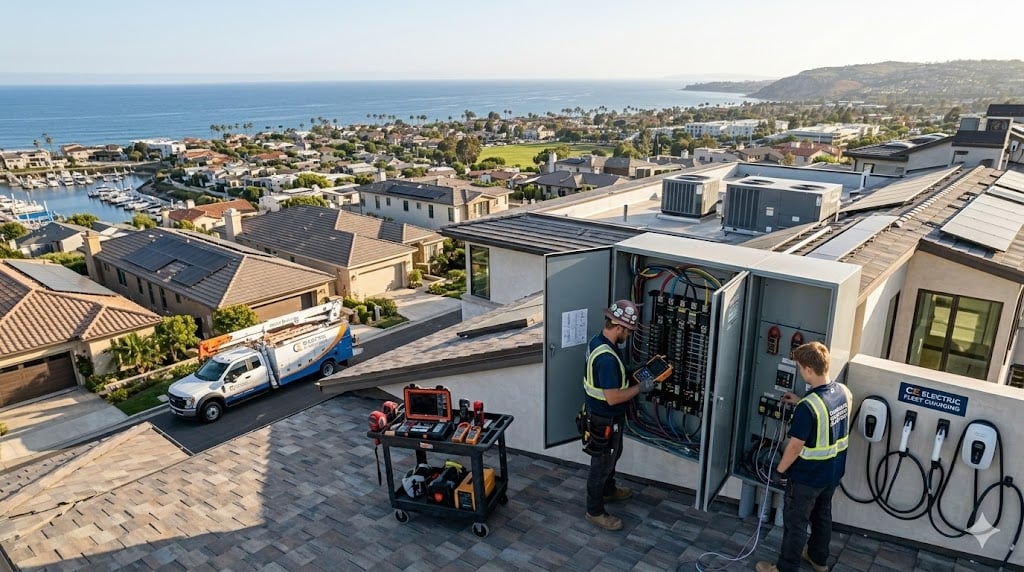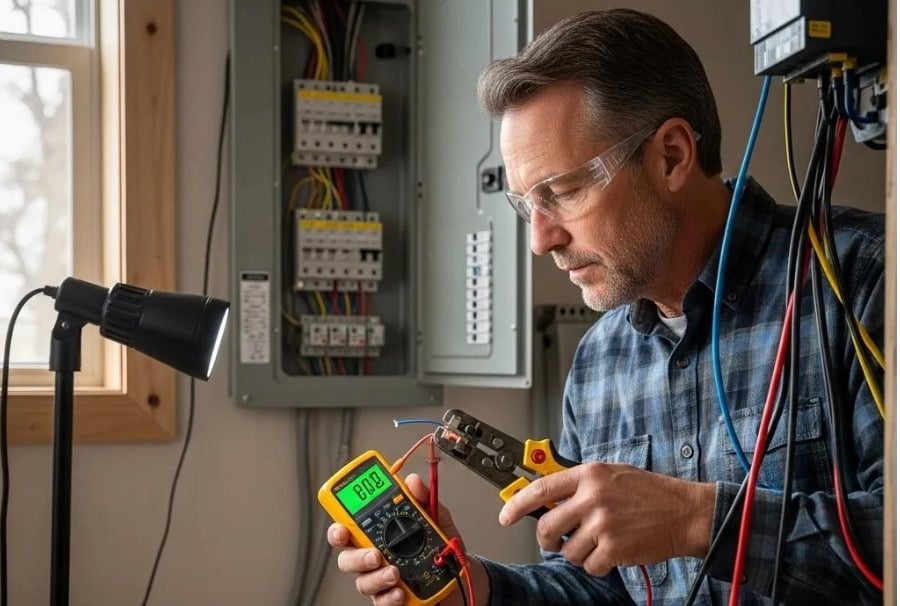
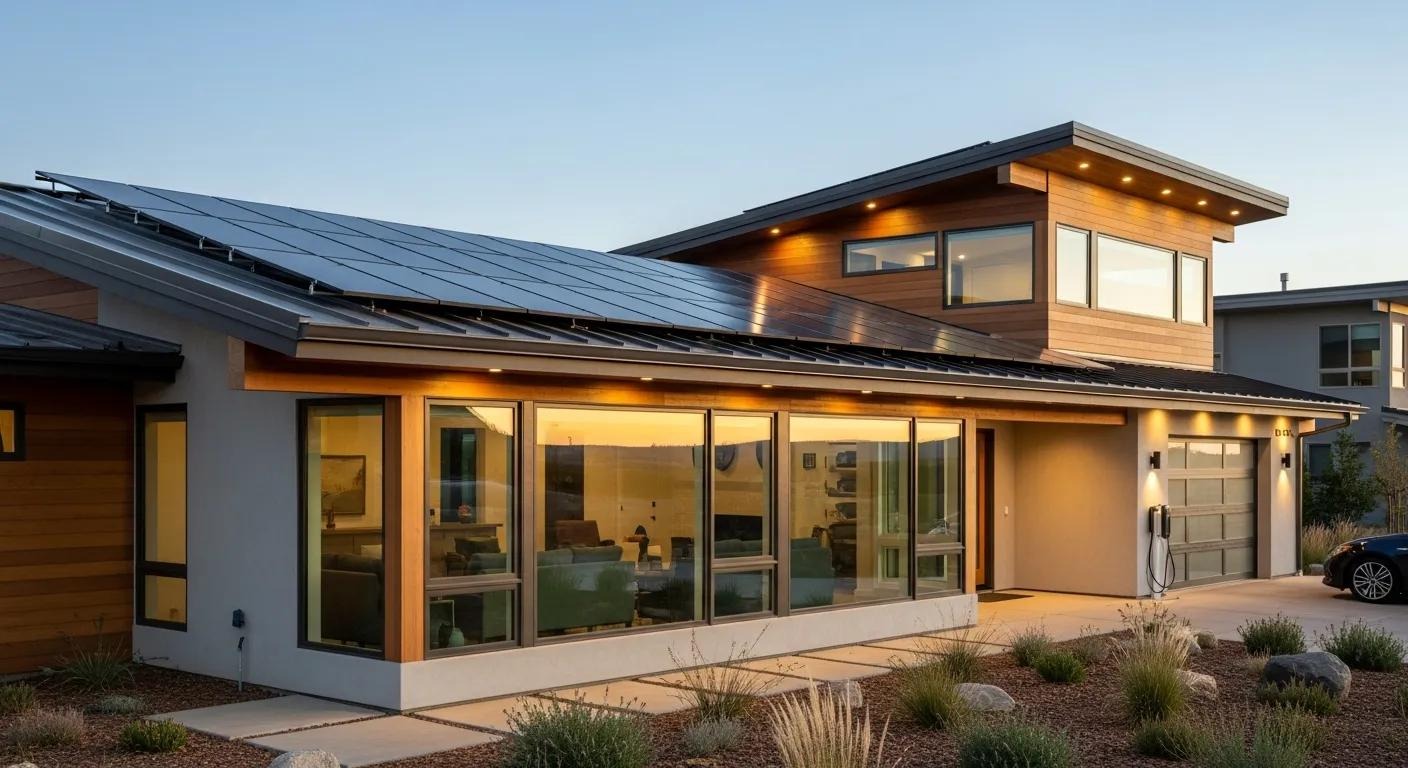
Home electrification improves residential electrical efficiency and safety by replacing outdated components and increasing capacity for modern systems. This guide reviews relevant solutions and services available in Torrance, CA, including common challenges such as aging wiring and limited circuit capacity. It explains the benefits, installation steps, cost factors, and professional recommendations to help homeowners decide on appropriate upgrades. The content is intended to help readers prioritize projects, estimate timelines for common upgrades, and understand what to expect when hiring licensed professionals.
Energy-Efficient Electrical Solutions
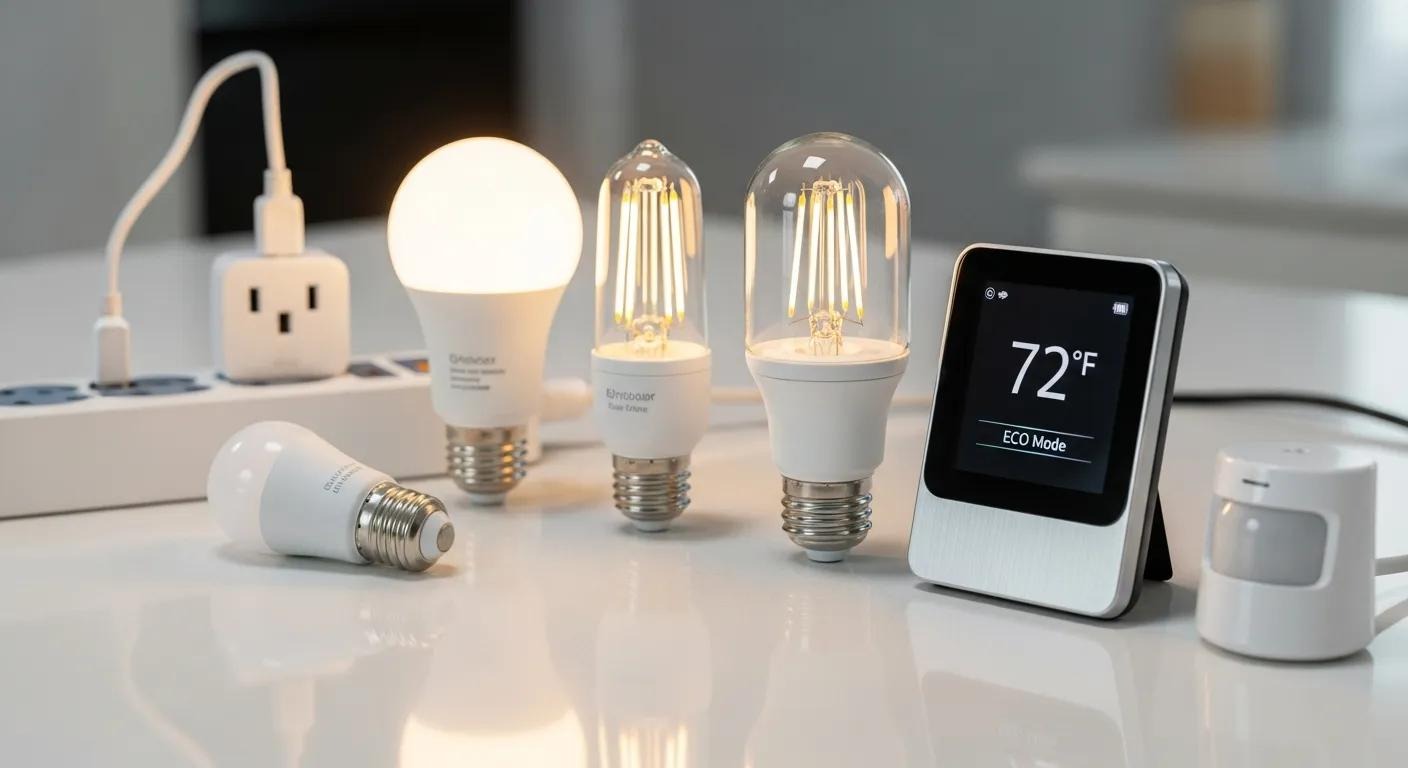
Energy-efficient electrical improvements reduce consumption and operating costs while improving system reliability. Typical options include LED lighting, smart thermostats, and electrical panel upgrades. Each option lowers energy use and can improve the overall performance of a home’s electrical system. In many homes, these measures work together: a modern panel supports additional circuits for EV chargers or heat pump water heaters. At the Same time, smart controls and LEDs reduce baseline load and make advanced systems more effective.
- LED Lighting: LED bulbs consume significantly less energy than traditional incandescent bulbs, offering up to 75% energy savings. They also have a longer lifespan, reducing the frequency of replacements. Homeowners often retrofit fixtures room by room and select color temperatures that enhance comfort and task lighting.
- Smart Thermostats: These devices optimize heating and cooling schedules based on user behavior, leading to substantial energy savings. They can be controlled remotely, allowing homeowners to adjust settings from anywhere. Many models also integrate with home energy systems and provide usage reporting that helps identify additional savings opportunities.
- Electrical Panel Upgrades: Upgrading to a modern electrical panel increases capacity to support new appliances and technologies, ensuring safety and efficient energy use. A panel upgrade is often required before installing high-demand equipment such as Level 2 EV chargers or a whole-home battery system, and it provides a cleaner circuit layout for future expansion.
These measures improve household comfort and reduce environmental impact by lowering energy consumption and utility expenses. When combined with behavior changes and energy-efficient appliances, the cumulative effect can be meaningful over the equipment’s life.
Installation Processes
Proper installation requires planning, permits, and adherence to local codes. Licensed electricians provide the technical expertise needed to execute upgrades safely and in compliance with regulations. Homeowners should confirm permit and inspection requirements for each type of installation. A clear scope of work, a written estimate, and an expected timeline help avoid misunderstandings and facilitate coordination with other trades, such as HVAC or solar installers.
- Importance of Licensed Electricians: Hiring a licensed electrician ensures that all work is performed in accordance with local codes and safety standards. This reduces the risk of electrical hazards and ensures compliance with regulations. Ask for license numbers and confirm credentials with state licensing boards when in doubt.
- Permits and Inspections Required: Most electrical upgrades require permits from local authorities. Inspections are also necessary to verify that the work meets safety standards. Expect the permit process to include plan review and one or more site inspections, and budget time for scheduling.
- Emergency Services Availability: In the event of an electrical emergency, having a reliable electrician on call can prevent further damage and ensure safety. Many reputable contractors offer priority service for urgent issues and can advise on temporary measures until permanent repairs are completed.
Awareness of the installation process and required approvals allows homeowners to schedule work efficiently and avoid delays. Consolidating related upgrades into a single project can sometimes reduce permit and mobilization costs.
Cost Considerations
Electrical upgrade costs vary by project scope, installation complexity, and material quality. The following comparison provides typical ranges for common services to support budgeting and planning. Costs also depend on access to equipment, the condition of existing wiring, and corrective work required during installation.
| Service | Cost Range | Factors Influencing Cost |
|---|---|---|
| Safety Inspection | $150 – $400 | Size of the home, number of systems inspected |
| Circuit Breaker Replacement | $150 – $300 | Type of breaker, labor costs |
| Electrical Panel Upgrade | $1,500 – $4,000 | Size of the panel, complexity of installation |
Establishing a clear budget for materials, labor, and permit fees helps homeowners plan and prioritize necessary improvements. Obtain multiple itemized estimates, ask about warranty coverage and the expected duration of work, and include a contingency for unforeseen repairs.
Expert Solutions for Energy-Efficient Upgrades
Engaging qualified electrical professionals yields tailored recommendations and ensures installations meet performance and safety objectives. Experts can assess a home’s specific requirements and identify cost-effective measures. Where available, incentives may reduce net project cost. A professional assessment typically includes load calculations, identification of inefficient components, and a phased plan if the homeowner prefers to spread projects over time.
- Maximizing Benefits of Upgrades: Experts can help homeowners understand how to utilize new technologies best to achieve maximum energy savings and comfort. They may recommend sequencing work (for example, lighting first, then panel upgrades) to minimize disruption and cost.
- Incentives Available for Homeowners: Many local and state programs offer rebates or tax credits for energy-efficient upgrades, making them more affordable. Local utilities and state energy offices typically list current incentives and eligibility criteria; professionals can often assist with documentation to claim rebates.
- Importance of Routine Maintenance: Regular maintenance of electrical systems ensures that they operate efficiently and safely, prolonging their lifespan and effectiveness. Scheduled checks can catch loose connections, deteriorating components, or corrosion before they lead to failures.
Professional consultation helps homeowners select appropriate measures, take advantage of available incentives, and maintain long-term performance. Detailed reports from experts also support resale value by documenting compliant upgrades.
What Are the Benefits of Energy-Efficient Electrical Upgrades in Torrance?
Energy-efficient electrical upgrades deliver reduced utility costs, lower environmental impact, and improved property appeal. These outcomes support both short-term savings and long-term value for homeowners in Torrance, CA. Local climate and energy rates influence payback timelines, so site-specific advice helps prioritize which upgrades to implement first.
- Cost Savings: Reduced energy consumption lowers utility bills, resulting in significant savings over time. Replacing high-use lighting and improving control systems are common first steps that yield noticeable reductions.
- Environmental Impact: By using less energy, homeowners help reduce greenhouse gas emissions, promoting a healthier planet. Even modest reductions in household consumption add up when adopted across a community.
- Increased Property Value: Homes equipped with modern, energy-efficient electrical systems are often more attractive to buyers, increasing their market value. Proper documentation and permits for upgrades enhance buyer confidence.
Investing in energy-efficient upgrades supports financial savings and environmental responsibility without compromising safety or performance. When planning upgrades, consider combining energy measures with other improvements (insulation, HVAC) for greater overall impact.
Research in Southern California documents outcomes associated with residential energy-efficiency measures.
Southern California Residential Energy Efficiency Upgrades
An empirical analysis of residential energy-efficiency upgrades in Southern California (Y Chuang, 2022) examines program participation and building-level impacts.
Are residential energy efficiency upgrades effective?
An empirical analysis in Southern California, Y Chuang, 2022
How Do Energy-Efficient Solutions Improve Home Safety and Cost Savings?
Energy-efficient upgrades can also improve electrical safety. Replacing obsolete wiring and panels reduces the risk of overloads and fires. In many cases, modern appliances and lighting include safety features that further protect the home. Addressing efficiency and safety together prevents situations where an energy upgrade is constrained by unsafe electrical infrastructure.
- Upgrading Electrical Systems: Modern electrical systems are designed to handle the demands of today’s technology, reducing the risk of overloads and failures. Upgrades often include improved labeling, better circuit distribution, and clearer documentation for future service.
- Energy-Efficient Lighting Benefits: LED lighting produces less heat than traditional bulbs, minimizing fire risks and enhancing safety. In addition, LEDs paired with occupancy or daylight sensors reduce run-time and the thermal loading on fixtures.
- Smart Home Technologies: Integrating smart technologies allows homeowners to monitor and control their electrical systems remotely, providing peace of mind and enhanced safety. Alerts for unusual energy usage, device malfunctions, or circuit trips can prompt timely service and reduce downtime.
Prioritizing energy efficiency therefore, supports both lower operating costs and a safer household environment. Combining inspections with upgrades ensures that new equipment is installed on a reliable and code-compliant system.
Awareness of residential electrical hazards complements efforts to improve safety through upgrades.
Residential Electrical Hazards & Safety Practices
An investigation of electrical hazards and common safety practices among residential electricity consumers (F Kulor, 2024), highlights frequently overlooked risks.
Invisible threats: An investigation of electrical hazards and safety practices among residential electricity consumers, F Kulor, 2024
Which Energy Efficiency Standards Apply in Torrance and California?
California enforces rigorous energy efficiency standards through the California Energy Commission. These standards set minimum requirements for appliances, lighting, and construction materials to promote sustainable residential practices. Local amendments and municipal codes can add requirements or clarifications, so it is important to check both state and local guidance.
- California Energy Commission Regulations: These regulations set minimum efficiency standards for appliances, lighting, and building materials. Compliance often affects appliance selection and permitted installation approaches.
- Local Incentives for Upgrades: Many local governments offer incentives to homeowners who meet energy-efficiency standards, making upgrades more affordable. Incentive programs are periodically updated, so confirm current offerings during project planning.
- Compliance with Safety Standards: Adhering to these standards not only promotes energy efficiency but also ensures that homes are safe and reliable. Meeting both energy and safety standards reduces the likelihood of delays during inspections.
Homeowners should review applicable state and local requirements to ensure proposed upgrades meet regulatory standards and qualify for incentives. Consulting a licensed electrician early in the planning phase simplifies compliance checks.
How to Choose Licensed Electricians for Home Electrification in Torrance, CA?
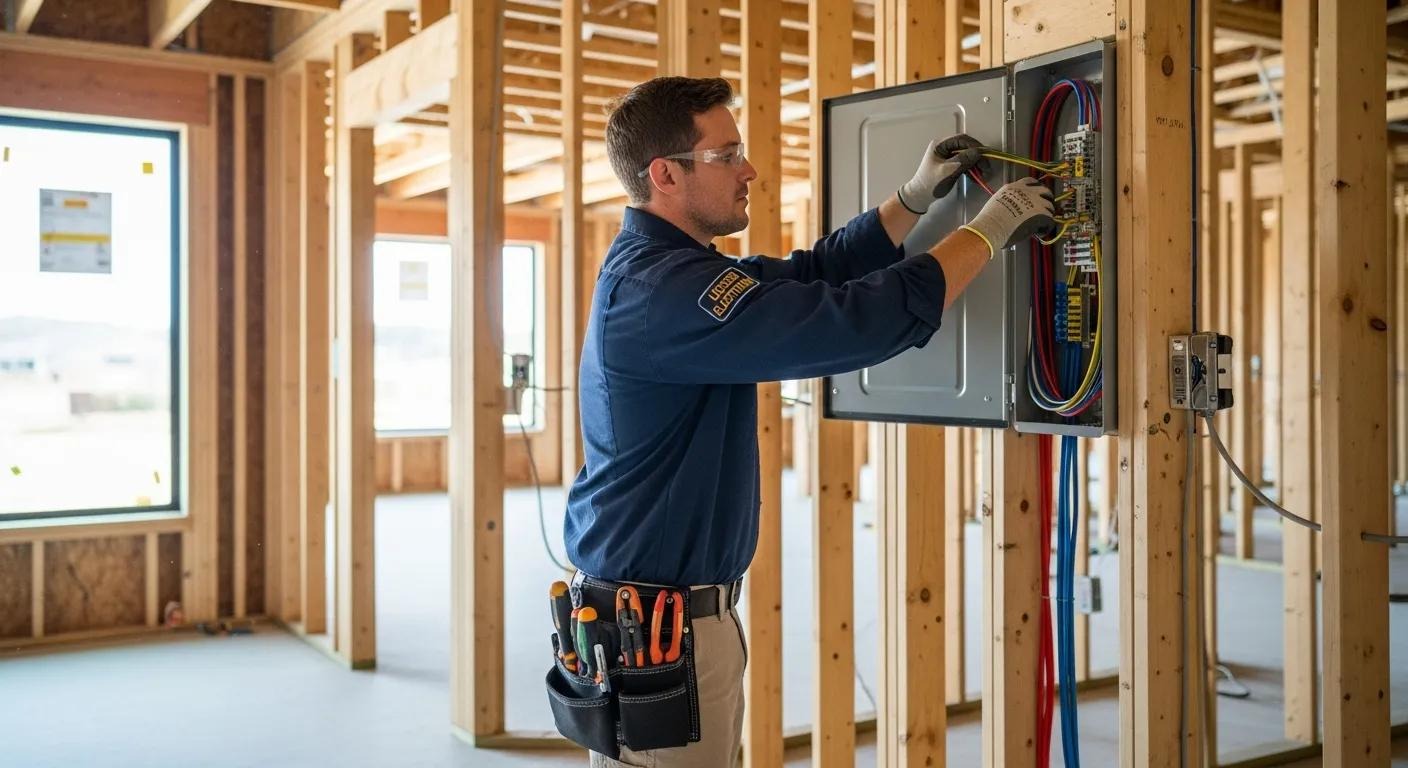
Select a licensed home electrician with verifiable residential experience and current state credentials. Review references, confirm insurance coverage, and evaluate prior work related to energy-efficient installations before awarding a contract. Ask for a written scope, timeline, and a clear list of what the quoted price includes so you can compare bids accurately.
- Qualifications to Look For: Ensure that the electrician holds a valid state license and has experience with residential electrical work. Additional certifications in specific technologies (for example, EV charger installation or energy management systems) are useful when relevant to the project.
- Questions to Ask Potential Electricians: Inquire about their experience with energy-efficient upgrades and request references from previous clients. Ask about permit handling, inspection coordination, and typical project timelines.
- Tips for Verifying Credentials: Check online reviews and ratings, and confirm that the electrician is insured and bonded. Verifying a license number with the state licensing board and requesting proof of insurance reduces risk.
Following these steps reduces risk and increases the likelihood of a compliant, high-quality installation. Clear communication about expectations, access to the work area, and site cleanup should be part of the engagement terms.
What Qualifications and Licenses Should Torrance Electricians Have?
Electricians in Torrance should hold a valid California license, demonstrate relevant field experience, and, where applicable, maintain certifications in specialized or energy-efficiency work. Apprenticeship completion is common and indicates practical training. Contractors who specialize in residential electrification typically maintain up-to-date knowledge of local amendments to the NEC and may belong to trade associations.
- Valid State License: Electricians must possess a valid California state license, demonstrating their knowledge and expertise in electrical systems. Confirm the license class and any additional contractor registration as appropriate for the project scale.
- Completion of Apprenticeship: Most electricians complete an apprenticeship program, gaining hands-on experience under the supervision of licensed professionals. Apprenticeship training often covers residential wiring, code practices, and safety procedures.
- Relevant Certifications: Additional certifications in energy efficiency or specialized electrical work can enhance an electrician’s qualifications. Certifications may cover topics such as EV charger installation, battery-based systems, or advanced control systems.
These qualifications assure that the electrician can perform work safely and to code. When in doubt, request documentation and confirm details with the issuing organization.
Why is local expertise important for Residential Electrical Services?
Local electricians possess knowledge of Torrance-specific codes, permit procedures, and typical installation challenges. That local familiarity supports smoother project delivery and regulatory compliance. Local providers also tend to be familiar with common wiring practices for the area’s home vintages and can plan upgrades accordingly.
- Familiarity with Local Codes: Local electricians understand the unique building codes and regulations that apply to Torrance, ensuring compliance and safety. This knowledge can prevent costly rework during inspections.
- Quick Response Times: Local professionals can respond more quickly to service requests, minimizing downtime for homeowners. A faster response is important for emergencies and for keeping projects on schedule.
- Understanding of Local Needs: Local electricians are more attuned to the specific electrical needs and challenges that residents in Torrance face. They can recommend solutions that reflect local climate, housing stock, and available incentives.
Hiring local professionals improves response time and ensures work aligns with area requirements. Local firms can also facilitate coordination with municipal inspectors and other local trades.
What Are the Key Steps in Residential Electrical Panel Upgrades?
Panel upgrades typically involve an initial assessment, permit procurement, installation by a licensed electrician, and final inspection. Each step ensures the upgrade meets the home’s load requirements and complies with code. Planning should include a load calculation, a review of existing branch circuits, and a discussion of future needs such as EV charging or home battery systems.
- Assessment of Current Panel: A qualified electrician will evaluate the existing panel to determine if an upgrade is necessary based on the home’s electrical needs. This assessment may identify obsolete components or unsafe configurations that must be addressed.
- Obtaining Necessary Permits: Before beginning work, electricians must secure the appropriate permits from local authorities to ensure regulatory compliance. Permit timelines vary, so include lead time in project planning.
- Final Checks After Installation: Once the new panel is installed, a thorough inspection is conducted to ensure everything is functioning correctly and safely. The electrician will typically verify torque values, label circuits, and test protective devices.
Knowing the procedural steps helps homeowners coordinate schedules and budget for inspections and permit fees. Clear documentation after completion simplifies future service and resale disclosures.
When Is an Electrical Panel Replacement Necessary?
Indicators that a panel may need replacement include frequent breaker trips, panels older than 25 years, and the inability to support modern appliance loads. These signs warrant prompt evaluation by a licensed electrician. Other indicators include warm breakers, rust or corrosion, and obsolete equipment types that are no longer considered safe.
- Frequent Breaker Trips: If circuit breakers are tripping frequently, it may indicate that the panel is overloaded and needs to be replaced. Tripping can also result from wiring faults, so a diagnostic inspection is needed to determines the cause.
- Old Panel Age: Electrical panels over 25 years old may not meet current safety standards and should be evaluated for replacement. Older panels sometimes lack space for modern breakers or protective devices required for today’s loads.
- Inability to Handle Modern Appliances: If the panel cannot support the electrical demands of modern appliances, an upgrade is essential for safety and efficiency. Adding high-demand devices without ensuring adequate panel capacity can create hazards.
Early recognition of these signs enables timely upgrades that reduce safety risks and improve system reliability. A proactive replacement often prevents costly emergency repairs later on.
How Does a Panel Upgrade Enhance Home Electrical Safety?
Modern panels incorporate improved circuit protection and trip mechanisms that reduce the risk of overloads and fires Upgrades also ensure compliance with current safety codes and improve overall system resilience. Updated panels typically provide clearer labeling and easier access for maintenance tasks.
- Reduced Risk of Electrical Fires: Newer panels are equipped with circuit breakers that trip more effectively, reducing the risk of overheating and fires. Improved materials and better engineering contribute to lower failure rates.
- Improved Circuit Protection: Upgraded panels provide enhanced circuit protection, ensuring that electrical systems operate safely and efficiently. Newer breakers and AFCI/GFCI technology add layers of protection for different circuit types.
- Compliance with Current Codes: New panels are built to meet the latest safety standards, ensuring that homes comply with local regulations. Compliance reduces liability and helps when selling a property.
Upgrading the panel is a practical step to protect occupants and property while meeting regulatory requirements. When combined with proper maintenance, upgrades extend the useful life of the home’s electrical infrastructure.
How to Install Electric Vehicle Chargers in Torrance Homes?
EV charger installation involves selecting the appropriate charger level, confirming electrical capacity, and securing permits. Level 2 chargers commonly require a licensed electrician and a dedicated circuit for safe operation. Planning should include a site assessment to identify the most convenient and code-compliant mounting location and to evaluate wiring runs to minimize disruption.
- Types of EV Chargers: Homeowners can choose between Level 1 chargers, which use standard outlets, and Level 2 chargers, which require a dedicated circuit for faster charging. Consider daily driving patterns and garage or driveway access when selecting a charger.
- Installation Requirements: Installing a Level 2 charger typically requires a licensed electrician to ensure proper wiring and compliance with local codes. An electrician will confirm panel capacity, circuit routing, and proper grounding.
- Permits Needed: Homeowners must obtain the necessary permits before installation, which may include inspections to verify compliance with safety standards. Documentation from the installer often supports permit approval.
Preparing for electrical capacity checks and permit processing will streamline the charger installation process. Coordinating charger installation with other upgrades (panel work, lighting) can reduce total project cost and downtime.
What Types of EV Chargers Are Suitable for Residential Use?
Level 1 chargers use standard outlets and deliver slow charging suitable for limited daily driving. Level 2 chargers require a dedicated circuit and provide substantially faster charging, making them preferable for daily use. Choice depends on the vehicle’s battery capacity, daily mileage needs, and whether the homeowner wants a faster turnaround between charges.
- Level 1 Chargers: These chargers are the most basic and can be plugged into a standard outlet, making them easy to install but slower to charge. They are suitable for drivers with low daily mileage or secondary vehicles.
- Level 2 Chargers: These chargers require a dedicated circuit and offer faster charging times, making them ideal for daily use. Many homeowners choose Level 2 units for convenience and time savings.
- Installation Considerations: Homeowners should assess their electrical capacity and consult with a licensed electrician to determine the best charger for their home. Considerations include mounting location, weather protection, and integration with home automation systems if desired.
Consulting a licensed electrician will determine which charger level matches the household’s electrical capacity and charging needs. Ask the installer about cable length, connector compatibility, and warranty terms.
What Are the Installation Requirements and Permits in Torrance?
Electrical installations in Torrance require permits and inspections to ensure compliance with local building codes and the National Electrical Code (NEC). Permit requirements vary by project scope and equipment type. The permitting process protects homeowners by ensuring that work is performed to recognized standards.
- Local Permit Requirements: Homeowners must obtain permits for any electrical work, to ensure compliance with local building codes. For larger projects, documentation such as single-line diagrams or load calculations may be required.
- Inspection Processes: Inspections are typically required to verify that installations meet safety standards and regulations. Inspections may occur at rough-in and final stages, depending on project complexity.
- Compliance with Safety Standards: All electrical work must comply with the National Electrical Code (NEC) and applicable local regulations to ensure safety and reliability. Licensed electricians normally coordinate the inspections and correct any issues identified by inspectors.
Confirming permit and inspection requirements with the city and your electrician before work begins reduces the risk of noncompliance. Keep copies of permits and inspection records for your files and for future property transactions.
What Home Electrical Wiring Services Are Essential for Modern Electrification?
Essential wiring services include replacing obsolete wiring, installing dedicated circuits for high-demand appliances, and upgrading wiring to support energy-efficient lighting and modern panels. Additional services often include installing surge protection, upgrading the grounding system, and reconfiguring circuits to balance loads.
- Upgrading Outdated Wiring: Older homes may have wiring that no longer meets current safety standards, necessitating upgrades to ensure safety and efficiency. Replacing dated cloth, knob-and-tube, or deteriorated insulation is often a priority.
- Installing Energy-Efficient Lighting: Upgrading to energy-efficient lighting systems requires proper wiring to support new technologies. Wiring modifications may be necessary to add dimmers, sensors, or multi-zone controls.
- Enhancing Electrical Panels: Modern electrical panels require updated wiring to handle increased loads from new appliances and devices. Properly sized conductors and protected circuits help maintain system performance under peak demand.
These services ensure homes can safely accommodate contemporary appliances and smart systems while meeting code requirements. Coordinated planning avoids repeated site visits and additional mobilization costs.
How Do Wiring Upgrades Support Smart Home Integration?
Wiring upgrades increase circuit capacity, improve reliability, and reduce the risk of overload, conditions necessary for the stable operation of multiple smart devices. Proper wiring also facilitates future expansions and helps avoid nuisance trips that can interrupt automation routines.
- Increased Capacity for Smart Devices: Upgraded wiring can handle the increased load from multiple smart devices, ensuring they operate effectively. A combination of dedicated circuits and properly sized neutral conductors supports device stability.
- Improved Safety: Modern wiring systems are designed to reduce the risk of overloads and electrical fires, enhancing overall safety. Correctly installed wiring minimizes intermittent faults that can cause device failure.
- Enhanced Functionality: Proper wiring allows for seamless integration of smart home technologies, providing homeowners with greater control and convenience. Reliable power and communication wiring help smart controllers and hubs perform consistently.
Investing in wiring improvements enables reliable smart-home performance and reduces maintenance needs over time. When planning smart upgrades, include plans for network connectivity and conduit runs where future rewiring might be needed.
What Safety Inspections Ensure Reliable Electrical Systems?
Regular safety inspections detect wear, faulty components, and installation issues before they escalate. Inspections typically include visual checks, circuit testing, and panel condition reviews. A good inspection report lists prioritized repairs, suggested timelines, and estimated costs for corrective work.
- Visual Inspections: Electricians conduct visual inspections to identify any visible signs of wear or damage in electrical systems. This includes checking connections, outlet integrity, and signs of overheating.
- Testing of Circuit Breakers: Circuit breakers are tested to ensure they function correctly and can handle the electrical load. Testing may include trip testing under controlled conditions and continuity checks on conductors.
- Review of Electrical Panel Condition: The electrical panel is assessed to ensure it meets safety standards and functions properly. Inspectors look for corrosion, adequate labeling, and correct breaker sizing.
Scheduled inspections support safe operation and maintain compliance with applicable codes. Keep inspection reports and follow recommended corrections to avoid compounding problems and preserve warranty coverage where applicable.
How Does Fastwire Electric Ensure Compliance with California Electrical Codes?
Fastwire Electric adheres to local and state codes by maintaining up-to-date knowledge of regulations, securing necessary permits, and performing required inspections throughout projects. The company documents work and provides homeowners with copies of permits and inspection results for their records.
- Compliance with Local Codes: Fastwire Electric stays up-to-date local regulations to ensure all work meets safety standards. Their project managers typically brief customers on code implications for planned upgrades.
- Regular Inspections: They conduct regular inspections during and after installations to verify compliance with safety codes. Any inspection items are addressed promptly to achieve final approval.
- Expertise of Certified Electricians: Their team comprises certified electricians knowledgeable about current codes and best practices.The firm emphasizes ongoing training to keep staff current with code changes and new technologies.
Adherence to code and systematic inspections provides homeowners with documented compliance and reduced regulatory risk. Transparent communication about permit status helps homeowners track project progress.
What Are the Latest California Energy Efficiency Mandates?
California has enacted mandates that require higher efficiency for appliances, lighting, and building components. These measures aim to lower statewide energy consumption and support sustainable construction practices. Mandates are periodically updated to reflect advances in technology and policy goals.
- California Energy Commission Regulations: These regulations set minimum efficiency standards for appliances, lighting, and building materials. Staying informed about updates ensures that upgrades remain eligible for rebates and meet code.
- Local Incentives for Energy Efficiency: Many local governments offer incentives to homeowners who meet energy-efficiency standards, making upgrades more affordable. Incentives can include rebates, low-interest financing, or technical support programs.
- Impact on Residential Upgrades: These mandates encourage homeowners to invest in energy-efficient technologies, contributing to a more sustainable future. Compliance may also open opportunities for utility programs and local pilot projects.
Staying informed about current mandates ensures that upgrades comply with state requirements and can qualify for incentives. Professionals who manage permit submissions can often advise on which standards apply to a specific project.
How Do Licensed Electricians Maintain Code Compliance During Upgrades?
Licensed electricians maintain compliance by applying current code knowledge, securing permits, and coordinating inspections. They document work to demonstrate adherence to standards. Thorough documentation simplifies future service needs and supports property transactions.
- Adherence to Local Codes: Electricians are trained to understand and comply with local building codes, throughout the upgrade process. They factor code requirements into material selection and circuit design.
- Obtaining Necessary Permits: They handle the permitting process, ensuring that all required permits are secured before work begins. Proper permit handling also clarifies scope and inspection milestones.
- Regular Inspections Post-Upgrade: After completing upgrades, electricians conduct inspections to verify that all work meets safety standards. They address any inspection observations and obtain final sign-offs as required.
Professional management of permits and inspections reduces liability and ensures installations meet regulatory expectations. Request copies of permits and inspection sign-offs as part of project closeout documentation.
What Customer Support and Service Guarantees Does Fastwire Electric Provide?
Fastwire Electric offers responsive service, transparent pricing, and documented customer feedback to support client confidence. Their offerings address urgent needs and clarify project costs in advance. Clear communication about schedules, payment milestones, and warranty terms helps homeowners plan effectively.
- Same-Day Service Availability: Fastwire Electric offers same-day service for urgent electrical needs, ensuring timely assistance for homeowners. Rapid response reduces potential damage and safety exposure for emergencies.
- Upfront Pricing: They provide transparent pricing with no hidden fees, allowing homeowners to budget effectively for their electrical services. Itemized estimates make comparisons between bids straightforward.
- Customer Testimonials: Positive feedback from clients highlights their commitment to quality and customer satisfaction. Reviews typically reference punctuality, clear communication, and professional quality.
These service commitments aim to deliver reliable outcomes and clear expectations for every project. For larger jobs, they commonly supply milestone-based schedules and progress updates.
How Can Homeowners Schedule Residential Electrical Services in Torrance?
Scheduling services is straightforward: identify required work, contact Fastwire Electric for a consultation, and request a written estimate. The company coordinates permits and inspections as part of the process. Early engagement helps align permit windows and supplier lead times.
- Identifying Service Needs: Homeowners should assess their electrical needs and determine the services required. Listing symptoms (frequent trips, flickering lights) and desired outcomes (EV charging, panel upgrade) speeds up the consultation.
- Contacting Local Electricians: They can reach out to Fastwire Electric by calling (310) 896-1944 to discuss their needs and request a consultation. Provide basic information on the home’s age, panel type, and any specific equipment intended for installation.
- Requesting Estimates: Homeowners can request estimates for the services they need, allowing them to make informed decisions. Ask for itemized scopes and expected timelines to compare offers effectively.
Following these steps allows homeowners to obtain professional assessments and transparent cost estimates. Keep a written record of estimates and permit documentation for future reference.
What Are Common Customer Testimonials and Success Stories?
Customer feedback commonly cites professionalism, technical competence, and timely project completion. Reported outcomes include improved safety and measurable efficiency gains after upgrades. Many homeowners note that upfront communication and tidy work areas were important factors in positive reviews.
How to Monitor and Maintain Your Home Electrical System After an Upgrade?
After upgrades, implement a maintenance schedule that includes periodic inspections, wiring checks, and protective measures such as surge protection. Maintain written records of inspections and repairs. A simple maintenance log with dates, findings, and service actions helps track system history and supports troubleshooting.
- Scheduled Inspections: Homeowners should schedule regular inspections every few years to assess the condition of their electrical systems. Inspections can identify issues before they cause outages or hazards.
- Wiring Checks: Periodic checks of wiring can help identify any potential issues before they become serious problems. Pay attention to discoloration, loose outlets, or warming devices as warning signs.
- Use of Surge Protectors: Installing surge protectors can safeguard electrical systems from power surges, prolonging their lifespan. Consider whole-home surge protection in addition to point-of-use devices for sensitive equipment.
Consistent maintenance preserves system performance and reduces the likelihood of unexpected failures. Retain receipts and inspection reports to document the care of your electrical system.
What Regular Maintenance Practices Enhance Electrical System Longevity?
Routine inspections every 3–5 years, monitoring for warning signs, and establishing a preventive maintenance plan with a licensed electrician extend system life and maintain safety. Simple homeowner practices—such as avoiding overloaded outlets and replacing damaged cords—also contribute to longevity.
- Scheduled Inspections Every 3-5 Years: Regular inspections help identify potential issues and ensure compliance with safety standards. Frequency may be adjusted for older homes or after major renovations.
- Monitoring for Warning Signs: Homeowners should be vigilant for signs of electrical problems, such as flickering lights or tripped breakers. Early reporting to a professional reduces the risk of escalation.
- Preventive Maintenance Plans: Establishing a preventive maintenance plan with a licensed electrician can help ensure that electrical systems remain in optimal condition. Preventive schedules often include visual checks, torque testing, and safety device verification.
Proactive maintenance reduces long-term costs and supports reliable operation. A maintenance contract with scheduled visits can simplify budgeting and ensure consistent care.
When Should You Schedule Electrical Safety Inspections?
Schedule safety inspections every 3–5 years, or sooner if you observe warning signs such as frequent breaker trips, flickering lights, or unusual odors from outlets. Timely inspections identify hazards early. Inspections are also recommended before major remodels or when preparing a property for sale.
- Frequency of Inspections: It is recommended to schedule inspections every 3-5 years to ensure systems remain compliant with safety standards. Homes with older wiring or heavy electrical usage may benefit from more frequent checks.
- Signs Indicating the Need for Inspections: Homeowners should schedule inspections if they notice signs of electrical issues, such as frequent breaker trips or flickering lights. Strange smells, hot outlets, or burned marks around fixtures also warrant immediate inspection.
- Benefits of Regular Checks: Regular inspections can help identify potential hazards before they become serious problems, ensuring home safety. Early detection typically reduces repair costs and downtime.
Regular inspections protect occupants and support long-term compliance with safety standards. Keep inspection results and promptly follow through on recommended repairs.
If you have any questions or need to contact local electricians, reach out to Fastwire Electric today!
Frequently Asked Questions
What are the common signs that indicate a need for electrical upgrades in my home?
Indicators include frequent breaker trips, flickering lights, extensive use of extension cords, a burning smell near outlets, or an outdated electrical panel. These signs warrant prompt evaluation by a licensed electrician to prevent hazards and improve efficiency. Document symptoms and share them with the electrician to speed diagnosis.
How can I find out about local incentives for energy-efficient upgrades in Torrance?
Consult the California Energy Commission website and local utility providers for information on rebates, tax credits, and grant programs. City and county websites also list incentive programs available to homeowners. Your installer may assist with paperwork and point you to applicable local programs.
What should I expect during an electrical safety inspection?
A licensed electrician will inspect wiring, circuit breakers, and the electrical panel, test components where necessary, and provide a report with findings and recommended repairs or upgrades to ensure compliance and safety. Expect prioritized recommendations and estimated costs for corrective work.
How often should I schedule electrical safety inspections?
Schedule inspections every 3 to 5 years under normal conditions. If you observe warning signs—such as flickering lights or frequent breaker trips—arrange an inspection immediately. More frequent checks are advisable for older homes or where significant modifications are planned.
What are the benefits of upgrading to smart home technologies?
Smart technologies improve energy management, convenience, and security. They enable remote control and monitoring, which can reduce energy use, lower utility costs, and provide real-time alerts for system issues. Integration with other home systems can produce coordinated savings and improved comfort.
What are the potential risks of DIY electrical work?
DIY electrical work can pose risks, including electric shock, fire hazards, and code violations. Improper installations may require costly corrective work. Engage a licensed electrician to ensure safety and regulatory compliance. Simple tasks like changing bulbs or replacing faceplates are generally safe for homeowners, but anything involving wiring should be left to professionals.
How can I ensure my electrical upgrades are compliant with local codes?
Hire a licensed electrician familiar with Torrance regulations, ensure permits are obtained, and schedule required inspections. Consult the city building department for specific code requirements related to your project. Request documentation and final inspection sign-offs to confirm compliance.
Conclusion
Energy-efficient electrical upgrades enhance safety, reduce operating costs, and support environmental goals. Homeowners in Torrance should evaluate options, consult licensed electricians, and comply with applicable codes to maximize benefits. Contact Fastwire Electric to begin planning compliant, effective upgrades for your home. Proper planning, documentation, and maintenance ensure that upgrades deliver durable, code-compliant improvements.