Energy efficiency is a priority for homeowners seeking to reduce consumption and improve household functionality. Energy-efficient electrical solutions—comprising targeted upgrades and integrated smart systems—optimize energy use and enhance comfort. This guide reviews the available upgrades, smart-home technologies, and the benefits of adoption. It also addresses common challenges such as high utility costs and outdated electrical infrastructure, and explains how to choose a qualified electrician for these projects.
Beyond monthly bill reductions, energy-efficient electrical work improves reliability, reduces maintenance intervals, and can simplify future upgrades. Many homeowners report that well-planned electrical improvements make everyday life more convenient while reducing the total cost of ownership for appliances and HVAC equipment over time. This guide emphasizes practical, actionable steps that align with typical homeowner priorities: safety, cost-effectiveness, and ease of use.
Comprehensive Guide on Energy-Efficient Electrical Solutions for Modern Homes
Energy-efficient electrical solutions include upgrades and technologies designed to reduce energy consumption and improve system performance. Implementing these measures lowers utility bills and supports environmental sustainability. Core solutions include LED lighting installations, electrical panel modernization, and smart-home integration, which together create a more efficient and comfortable living environment.
A practical approach starts with an assessment: understanding current usage patterns, identifying the highest-load circuits and systems, and prioritizing improvements that offer the best combination of energy savings and occupant comfort. An incremental plan—addressing lighting, heating, and cooling controls, and distribution—often delivers the strongest return on investment while minimizing disruption.
Home Electrical Upgrades
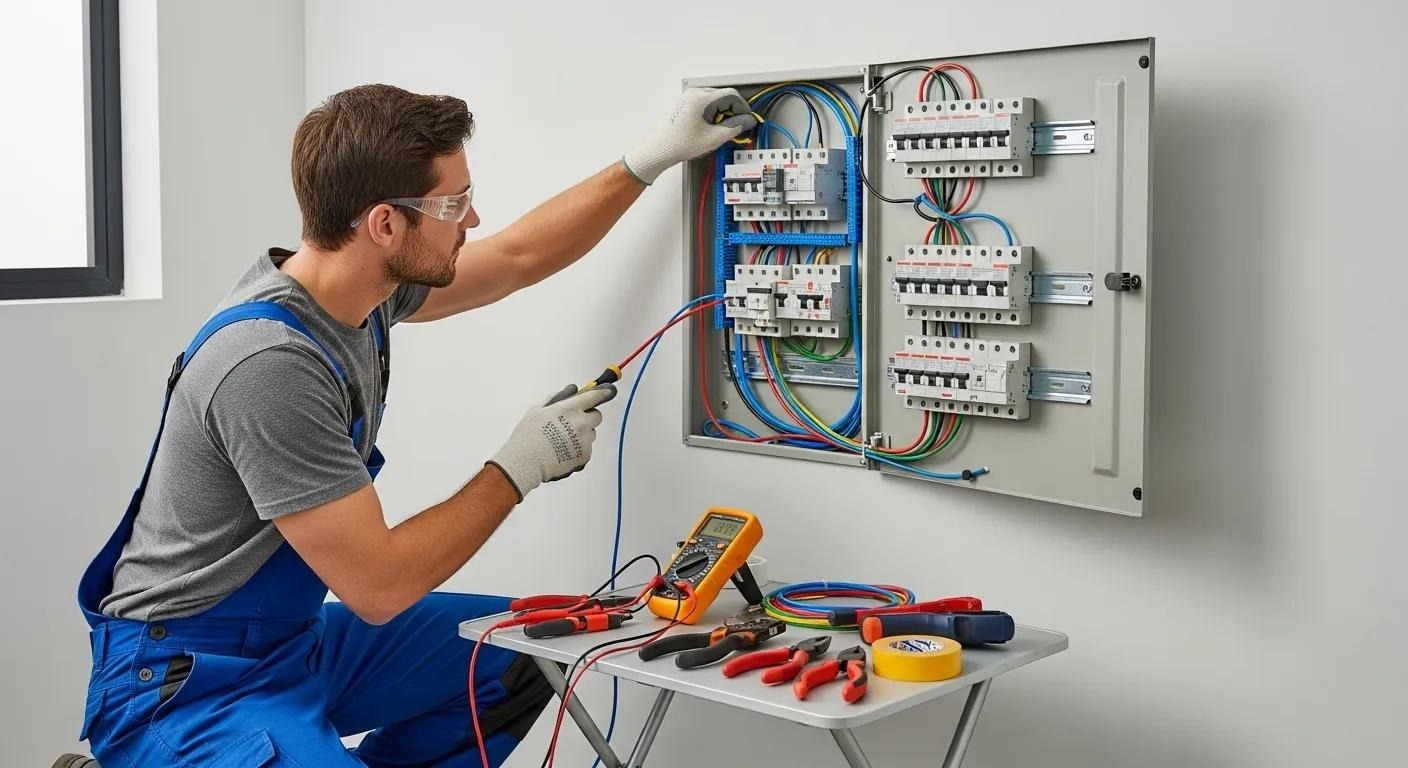
Electrical upgrades are essential to meet modern demands and improve home energy performance. The most impactful measures address lighting, distribution, and climate control.
- LED Lighting: Retrofitting homes with LED lighting significantly reduces energy consumption—up to 75% less than traditional incandescent bulbs. This upgrade not only lowers energy bills but also extends the lifespan of lighting fixtures. For best results, select LEDs by lumen output rather than wattage, choose appropriate color temperatures (warm for living areas, neutral to cool for workspaces), and ensure dimmer compatibility where dimming is required. Replacing common high-use fixtures, such as kitchen, living room, and exterior lights, first typically yields the largest short-term savings.
- Electrical Panel Upgrades: Upgrading electrical panels is essential to accommodate modern electrical demands. A new panel can handle increased loads from appliances and smart devices, improving safety and efficiency. Signs that a panel upgrade is recommended include frequent tripping, use of temporary fuse adapters, or reliance on old wiring systems. Upgrading to a properly sized, modern panel reduces losses from overloaded circuits. It enables the safe addition of dedicated circuits for high-demand equipment, such as EV chargers and heat pump systems.
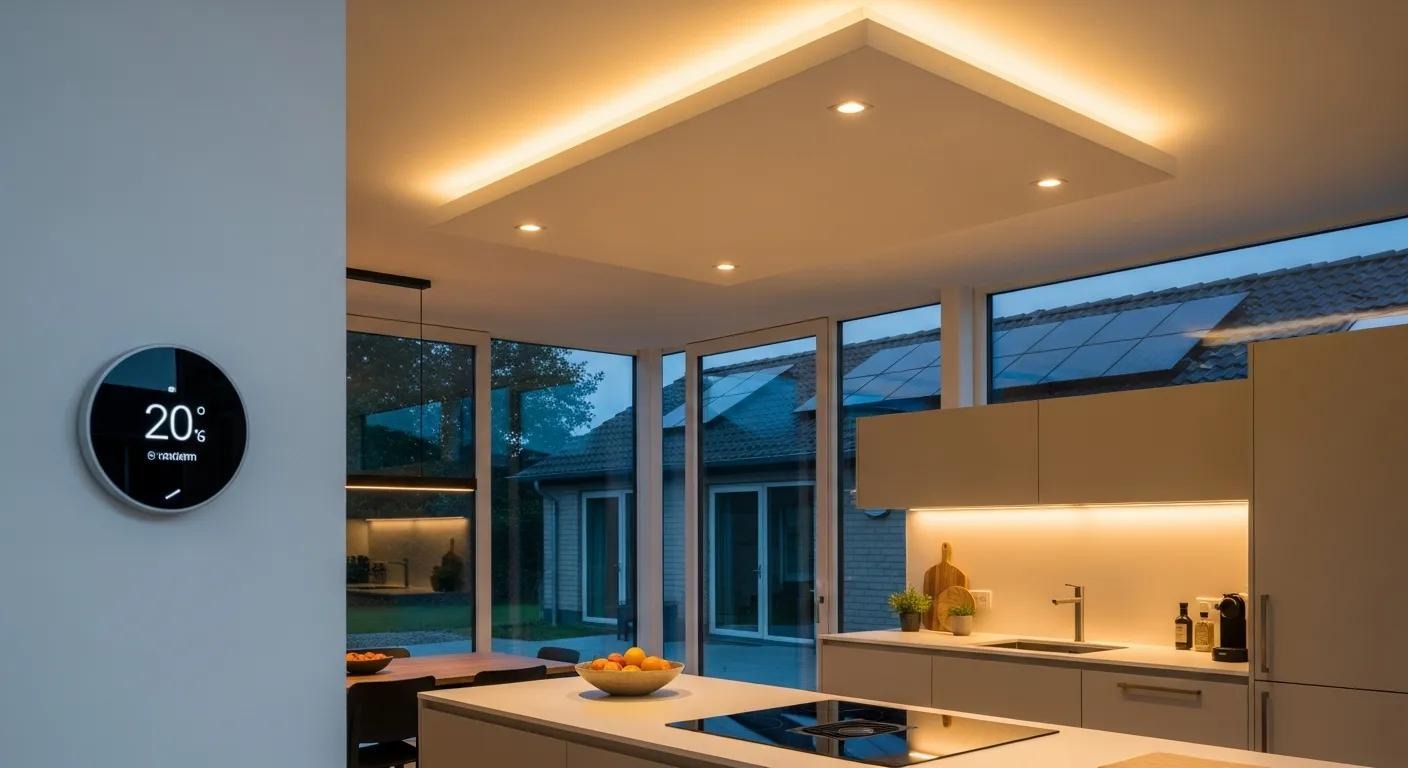
- Smart Thermostats: These devices optimize heating and cooling systems, potentially saving homeowners 10-15% on energy costs. Smart thermostats learn user preferences and adjust settings accordingly, ensuring comfort while minimizing energy use. When choosing a smart thermostat, confirm compatibility with the home’s HVAC system and consider features such as scheduling, geofencing, remote access, and learning algorithms. Proper installation and commissioning, including sensor placement and system calibration, help ensure the expected savings are realized.
Smart Systems
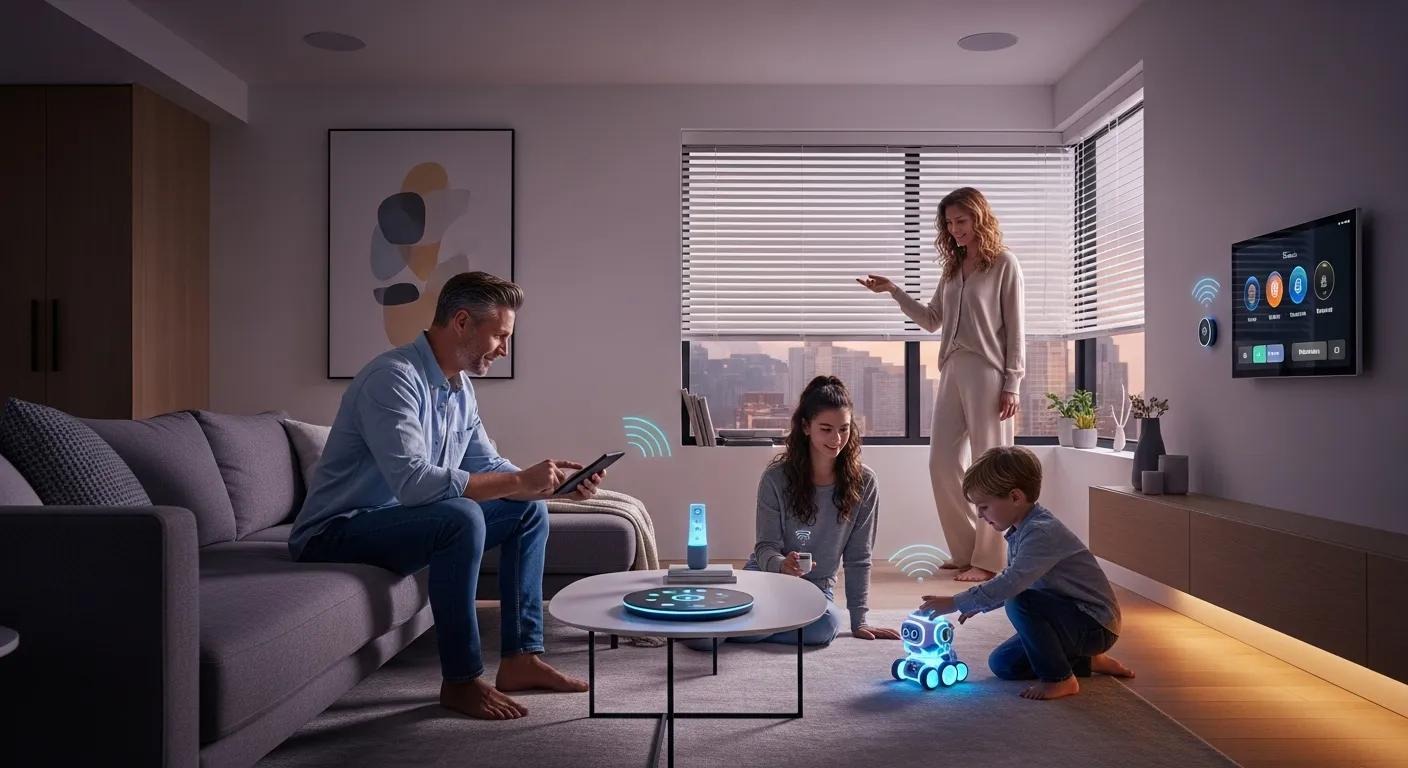
Smart-home technologies strengthen energy management by enabling real-time monitoring and centralized control. Integrating these systems helps homeowners manage consumption more effectively.
- Integration of Smart Devices: Smart plugs, lighting controls, and security systems enable real-time monitoring and control of energy use, allowing homeowners to make informed decisions about their energy consumption. Integration often involves using a hub or platform to coordinate devices. When devices are grouped and automated, small behavioral changes are automated—lights turn off in empty rooms, or standby loads are reduced during peak tariff periods—making savings seamless and consistent.
- Home Automation Benefits: Home automation systems enable remote control and scheduling of various home functions, such as lighting and heating, which can lead to significant energy savings. Automation can be tailored to household routines: scheduled setback temperatures overnight, staged HVAC start times, or lighting scenes that reduce unnecessary illumination. Automation also supports multi-zone control, ensuring only occupied areas are conditioned and lit.
- Real-Time Monitoring: Many smart systems provide insights into energy usage patterns, helping homeowners identify areas for improvement and optimize their energy consumption. Monitoring tools range from whole-home energy meters to per-appliance monitoring. Regularly reviewing these reports helps identify persistent loads, detect faulty appliances, and measure the impact of implemented upgrades, enabling homeowners to prioritize their next steps.
Benefits of Energy-Efficient Solutions
Adopting energy-efficient electrical solutions delivers measurable advantages for homeowners. The primary benefits include reduced operating costs, lower environmental impact, and improved comfort and safety.
- Cost Savings: Energy-efficient upgrades lead to lower utility bills and reduced maintenance costs, providing a quick return on investment. Savings compound over time, especially when multiple measures are combined (for example, LEDs plus smart controls). Tracking actual energy use after installation helps quantify savings and refine future investments.
- Environmental Impact: By reducing energy consumption, these upgrades help lower greenhouse gas emissions, supporting global sustainability efforts. Homeowners who pair efficiency measures with renewable generation can further reduce their carbon footprint and improve resilience to energy price fluctuations.
- Improved Comfort and Safety: Enhanced electrical systems improve home comfort through better climate control and reduce the risk of electrical hazards. Safety improvements include modern breakers, AFCI/GFCI protection where required, and proper surge protection for sensitive electronics. Comfort gains come from more consistent heating/cooling and better lighting quality.
Maximizing Benefits of Upgrades
To maximize the benefits of energy-efficient upgrades, homeowners should follow structured maintenance and review plans and prioritize upgrades that deliver the highest returns.
- Routine Maintenance Importance: Regular maintenance of electrical systems ensures optimal performance and longevity, preventing costly repairs down the line. Simple maintenance actions include firmware updates for smart devices, replacing failing LED drivers, verifying thermostat schedules seasonally, and testing protective devices. Regular checks catch small issues before they become expensive failures.
- Staying Informed About Technology Updates: Keeping up with advancements in energy-efficient technologies can help homeowners make informed decisions about future upgrades. Technology evolves quickly; new device compatibility or software improvements can increase effectiveness without changing hardware. Maintaining a relationship with a knowledgeable electrician helps homeowners safely take advantage of incremental improvements.
Choosing a Licensed Electrician
Selecting a licensed electrician is essential to ensure upgrades are installed safely and meet code requirements. Homeowners should verify credentials, experience, and relevant project history.
- Verify Licensing and Experience: Ensure the electrician is licensed and experienced with energy-efficient upgrades. Licensing indicates the electrician has met state or local qualifications. Experience with specific technologies—such as panel upgrades, EV charger installations, or smart-home wiring—reduces the likelihood of costly mistakes.
- Check References: Ask previous clients for references to gauge the electrician’s reliability and the quality of their work. Reviewing recent project examples and speaking with prior customers provides insight into timelines, communication, and problem-solving. Ask about post-installation support and any warranty fulfillment experiences.
- Request Written Quotes: Obtain detailed quotes from multiple electricians to compare pricing and services. Written estimates should detail scope, materials, expected timeline, permit requirements, and warranty terms. Clear scope documents avoid misunderstandings and support efficient project delivery.
What Are the Key Benefits of Energy-Efficient Electrical Upgrades for Residential Properties?
Energy-efficient electrical upgrades deliver lower utility bills, reduced environmental impact, and improved comfort and safety. These benefits support long-term savings and a more sustainable household.
Additional benefits may include reduced maintenance needs for HVAC systems, fewer emergency service calls due to electrical faults, and the ability to integrate renewable generation or battery storage more effectively when electrical infrastructure is modernized.
How Do LED Lighting Installations Reduce Home Energy Consumption?
LED lighting uses up to 75% less energy than traditional incandescent bulbs. This reduction lowers electricity bills and extends fixture lifespan, making LEDs a cost-effective upgrade.
Beyond raw energy reduction, LEDs enable targeted lighting strategies: task lighting, occupancy-triggered lighting, and lower-heat outputs that reduce cooling loads in warm climates. Choosing quality fixtures and proper installation practices further enhances savings and performance.
In What Ways Does Electrical Panel Modernization Enhance Safety and Efficiency?
Modernizing electrical panels improves safety by reducing the risk of overloads and fires and increasing system capacity to support contemporary appliances and smart devices, thereby enhancing overall efficiency.
A modern panel also simplifies future expansions, such as adding EV charging, a workshop, or battery storage. Properly documented panel upgrades and associated permits add value and reduce friction during resale.
How Can Smart Home Electrical Systems Improve Energy Management and Convenience?
Smart home electrical systems enable real-time monitoring and automated control, improving energy management and convenience. Automation and scheduling reduce waste and maintain occupant comfort.
Convenience features like remote control and voice integration also reduce the time homeowners spend managing systems manually, while automation ensures efficiency measures remain active even as routines change.
What Are the Features of Smart Wiring and Home Automation Integration?
Smart wiring and automation provide remote control of lighting, heating, and security systems, allowing homeowners to optimize energy use and improve overall home functionality.
Smart wiring considerations include planning for centralized control locations, ensuring adequate circuit capacity for hubs and charging devices, and routing cable or cables and power for future sensor or camera additions. Thoughtful wiring during renovation reduces later retrofit costs.
How Do Smart Home Systems Integrate with Energy-Efficient Electrical Solutions?
Smart systems integrate with energy-efficient upgrades by providing real-time monitoring and centralized control of energy consumption. This integration supports informed decisions and measurable energy savings.
Integration can also enable demand-management strategies, automatic load shedding during peak-pricing periods, and coordinated control of generation and storage—for example, reducing grid draw when solar output is low and reserving battery charge for critical loads.
Which Residential Energy Saving Devices Are Essential for Modern Home Electrification?
Essential devices include smart thermostats, energy monitoring equipment, and LED lighting. Combined, these devices optimize consumption and improve the efficiency of the electrical system.
Additional useful devices are occupancy sensors, smart power strips for entertainment centers, and programmable irrigation controllers that reduce unnecessary energy and water use while maintaining convenience.
What Role Do Demand Response Systems and Home Energy Audits Play?
Demand response systems manage consumption during peak periods, while home energy audits identify inefficiencies and recommend priority upgrades. Together, they support targeted and effective energy-reduction strategies.
Participating in utility demand-response programs can provide financial incentives while helping stabilize local grid loads. Audits provide the data needed to participate meaningfully in such programs by identifying controllable loads and automation opportunities.
How Does EV Charging Installation Support Sustainable Home Energy Use?
EV charging installation provides a convenient at-home charging option that supports electric vehicle adoption, which reduces greenhouse gas emissions and lowers dependence on fossil fuels.
When paired with smart charging controls and time-of-use awareness, EV chargers can leverage lower-cost periods or on-site solar generation, minimizing costs and grid impacts while maximizing the environmental benefits of electric vehicles.
What Are the Latest Innovations in Solar Power Electrical Solutions for Homes?
Recent solar innovations include higher-efficiency panels and integrated energy storage systems. These advances improve system performance and increase the viability of solar installations for homeowners.
Innovations also include simplified monitoring platforms, microinverter and power optimizer architectures that improve panel-level performance, and increasingly common integrated inverters with built-in backup capabilities for basic resilience during outages.
How Does Solar Integration Complement Energy-Efficient Electrical Upgrades?
Solar integration provides renewable generation, reducing reliance on grid electricity. When combined with energy-efficient upgrades, solar systems can deliver substantial cost savings and lower environmental impact.
Combining solar with efficient lighting, smart controls, and energy monitoring ensures that the generated power is used for the highest-value loads, increasing the share of self-consumed energy and improving financial returns.
What Incentives and Programs Support Solar Power Adoption in Southern California?
Southern California homeowners may access incentives such as tax credits, utility rebates, and financing options. These programs reduce upfront costs and support broader solar adoption.
Programs and incentive availability change over time; consult local utility portals and state energy offices for the most current guidance and eligibility requirements. Working with a qualified installer can simplify incentive capture.
How Does Fastwire Electric Provide Expert Energy-Efficient Electrical Services in Southern California’s South Bay?
Fastwire Electric delivers energy-efficient electrical services in the South Bay by focusing on electrical upgrades, smart-home electrification, and energy-saving installations. Their team of licensed electricians implements solutions to improve home electrical performance.
Services typically include assessment, design recommendations, permit coordination, installation, and post-installation commissioning to ensure systems operate as intended and deliver measurable benefits to homeowners.
What Qualifications and Local Expertise Does Fastwire Electric Offer?
Fastwire Electric maintains a team of licensed electricians with local experience and training in current energy-efficient technologies and practices. This expertise enables tailored solutions for South Bay homeowners.
Local knowledge helps when navigating permitting processes, incentive programs, and common building practices in the region. A local team can also respond more quickly to service needs and provide ongoing maintenance where required.
How Can Customers Schedule Consultations and Service Appointments?
Customers can schedule consultations and service appointments with Fastwire Electric by contacting their office directly. The company coordinates assessments and service planning to address specific homeowner needs.
During initial consultations, expect a review of priorities, a basic assessment of electrical capacity, and a discussion of timelines and budgets. Many companies also offer follow-up documentation and itemized proposals to help with support decision-making.
What Are Common Questions About Energy-Efficient Electrical Solutions for Modern Homes?
Common questions concern available upgrades, the benefits of smart-home technologies, and how to select a qualified electrician. Homeowners are encouraged to obtain reliable information and professional guidance when planning upgrades.
Practical questions also include how long installations take, how to evaluate product reliability, and what ongoing maintenance is necessary. A clear project plan addresses these concerns and reduces surprises during delivery.
How Much Can Homeowners Save with Energy-Efficient Electrical Upgrades?
Homeowners may realize utility bill reductions of approximately 10-15%, depending on the combination of upgrades implemented. These savings accumulate and improve long-term return on investment.
Savings depend on household behavior, local energy prices, and the efficiency of existing systems. Combining multiple measures—lighting, controls, and HVAC tuning—typically yields larger aggregate savings than single isolated actions.
What Is the Typical Installation Time and Warranty Coverage?
Installation time varies with project complexity; many upgrades are complete within a few hours to several days. Warranty coverage typically ranges from one to five years, depending on the products and services selected.
Simple retrofits, such as changing lighting or installing a smart thermostat, are quick; panel upgrades or whole-home system integrations require longer planning, inspections, and possibly coordination with utilities for certain permits. Always confirm warranty and service terms in writing.
How to Maintain and Monitor Energy-Efficient Electrical Systems for Long-Term Performance?
Maintain long-term performance through regular inspections, routine maintenance, and energy-monitoring devices. These practices ensure continued efficiency and prompt identification of issues.
Develop a simple annual checklist that includes testing protective devices, reviewing thermostat schedules, updating device firmware, and scanning energy reports for anomalies. Early detection of irregularities reduces the chance of larger failures.
What Are The Best Practices for System Maintenance and Safety?
Best practices include scheduling periodic inspections with a licensed electrician, addressing electrical issues promptly, and ensuring all components comply with applicable codes. These measures reduce hazards and extend system life.
Maintain clear circuit labeling, store documentation for installed equipment, and ensure emergency shutoffs are accessible. For smart systems, use unique credentials, apply security updates, and, where possible, segregate IoT devices on separate network segments.
How Can Homeowners Track Energy Savings and System Efficiency?
Homeowners can track savings and efficiency with energy-monitoring devices and smart systems that provide real-time consumption data. This information supports data-driven adjustments and optimization.
Compare monitored consumption to historical baselines and seasonal expectations to validate savings. Use simple charts or dashboards to visualize trends and share results with contractors when discussing additional improvements.
What Are the Environmental and Economic Impacts of Upgrading to Energy-Efficient Electrical Solutions?
Upgrading to energy-efficient solutions reduces greenhouse gas emissions and lowers energy costs. These changes deliver both environmental benefits and measurable economic savings for homeowners.
Economically, upgrades can reduce operating expenses and possibly qualify homeowners for incentives that lower the effective cost. Environmentally, reducing demand lowers reliance on fossil-fuel-fired generation and supports cleaner local air quality.
How Do Energy Savings Contribute to Sustainability Goals?
Energy savings reduce overall consumption and lessen reliance on fossil fuels. Adopting efficient practices helps homeowners contribute to broader sustainability and emissions-reduction objectives.
At scale, many small efficiency improvements across a community reduce peak demand and smooth load profiles, benefiting grid stability and reducing the need for high-emission peaking plants.
What Are the Cost-Benefit Considerations for Homeowners?
Cost-benefit considerations include the initial investment versus projected long-term utility savings. Homeowners should evaluate expected returns and available incentives when planning upgrades.
Consider the total lifecycle cost, including maintenance and expected replacement intervals, and prioritize measures with the shortest payback period or those that enable other high-value investments (for example, a panel upgrade that allows the addition of solar or EV charging).
Frequently Asked Questions
What types of energy-efficient upgrades are most beneficial for older homes?
Older homes benefit from LED lighting retrofits and electrical panel upgrades to improve safety and support modern appliances. Installing smart thermostats can optimize heating and cooling. Homeowners should also evaluate insulation and energy-efficient windows to further improve energy performance and comfort.
In many older homes, addressing distribution and safety first is important: replace worn wiring, correct grounding issues, and install modern circuit protection. Once the electrical base is secure, adding controls and monitoring provides ongoing operational savings.
How can homeowners ensure their energy-efficient upgrades are effective?
Ensure effectiveness through scheduled maintenance and periodic inspections. Install energy monitoring devices to track usage and identify inefficiencies. Remain informed about proven technologies and best practices to guide future adjustments.
Commissioning new systems—verifying that devices are configured correctly and schedules match align with household routines—ensures upgrades deliver the expected savings. Follow-up visits or remote diagnostics can catch configuration issues quickly after installation.
What are the potential drawbacks of energy-efficient electrical upgrades?
Potential drawbacks include upfront investment costs and an initial adjustment period for new smart technologies. Improper installation can limit expected performance, underscoring the need for qualified professionals and proper commissioning.
Other considerations include device interoperability and cybersecurity. Planning for secure network configuration, strong passwords, and firmware updates helps mitigate risks associated with connected devices.
Are there any government incentives for energy-efficient upgrades?
Many governments provide incentives such as tax credits, rebates, and financing programs to support energy-efficient upgrades. Homeowners should consult local and state energy offices or utility providers to determine which programs are available and what the application procedures are.
Utility companies often have rebate lists for eligible products and qualified contractor programs that streamline incentive applications. Documenting work with receipts and contractor statements simplifies program compliance and claims.
How do energy-efficient upgrades impact home resale value?
Energy-efficient upgrades can increase a property’s market appeal and may lead to faster sales and higher offers from buyers who prioritize sustainability and lower operating costs. Such features also signal reduced ongoing maintenance and operational expenses.
When marketing a home, highlight measurable outcomes such as reduced annual energy costs or recent safety upgrades, and provide documentation for warranties and permits to build buyer confidence.
What is the role of home energy audits in planning upgrades?
Home energy audits identify areas of energy loss and recommend targeted improvements. Audits assess insulation, HVAC performance, and overall consumption to help prioritize upgrades that yield the greatest savings and comfort improvements.
Audits may include blower-door tests to locate air leaks, thermographic inspections to identify thermal weak points, and utility bill analyses to identify unusual consumption patterns. Use audit results to sequence upgrades effectively and maximize return.
How can smart home technology enhance energy efficiency beyond initial upgrades?
Smart home technology provides continuous monitoring and automated control of systems such as lighting and HVAC, reducing unnecessary operation. Real-time feedback enables informed adjustments that sustain savings and optimize system performance over time.
Over time, analytics from smart systems can reveal longer-term trends—seasonal changes in consumption or appliance degradation—allowing homeowners to update schedules, proactively replace failing equipment, and tune automation rules for better results.
Conclusion
Energy-efficient electrical solutions deliver tangible benefits such as reduced energy costs, improved comfort, and lower environmental impact. Investing in upgrades like LED lighting and smart systems enhances home performance when installed by licensed professionals. For a structured approach to improving home efficiency, consider contacting Fastwire Electric to discuss options and next steps.
Start with an assessment, prioritize safety and high-impact measures, and combine hardware upgrades with smart controls and monitoring to capture ongoing savings. With careful planning and the right professional support, homeowners can significantly improve energy performance while enhancing daily comfort and convenience.