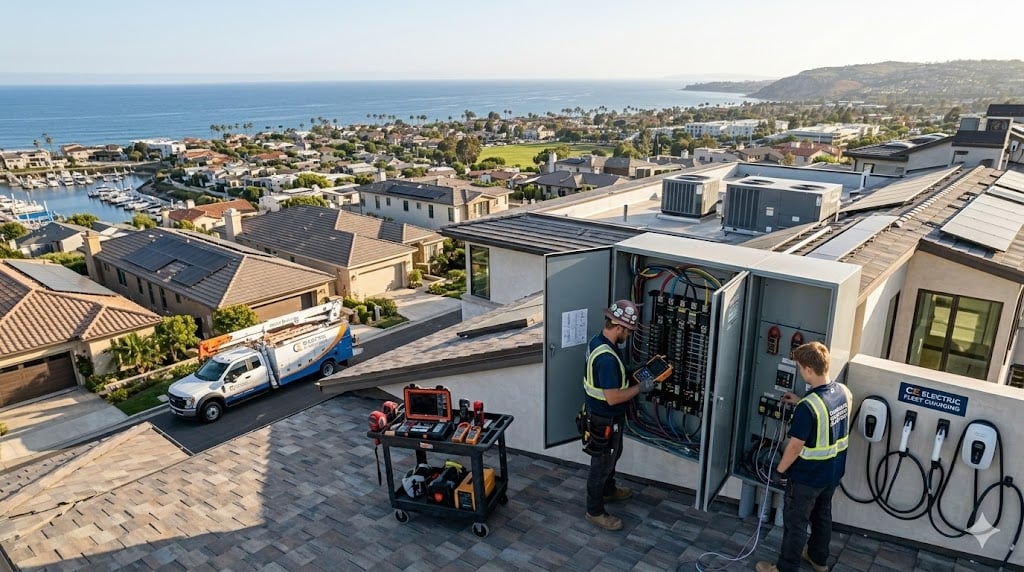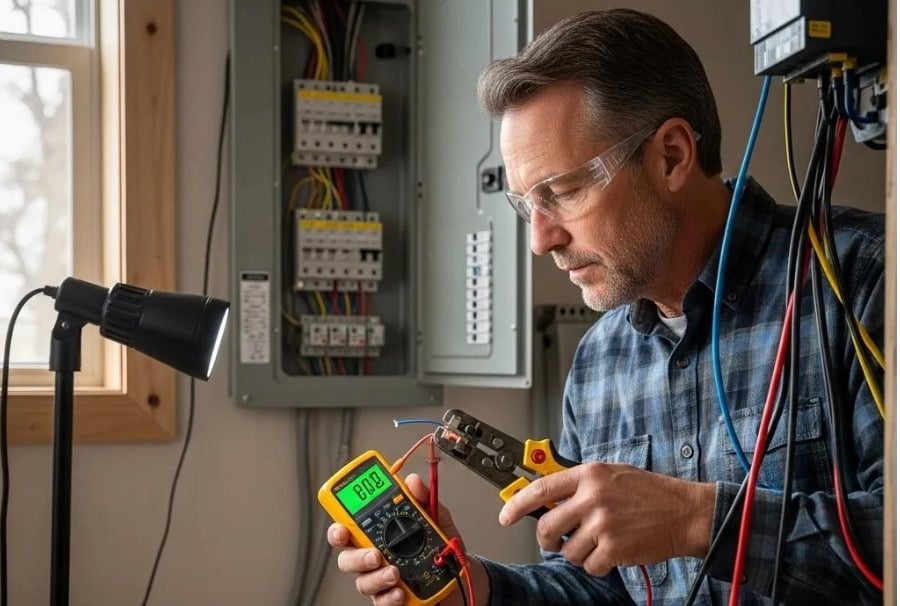
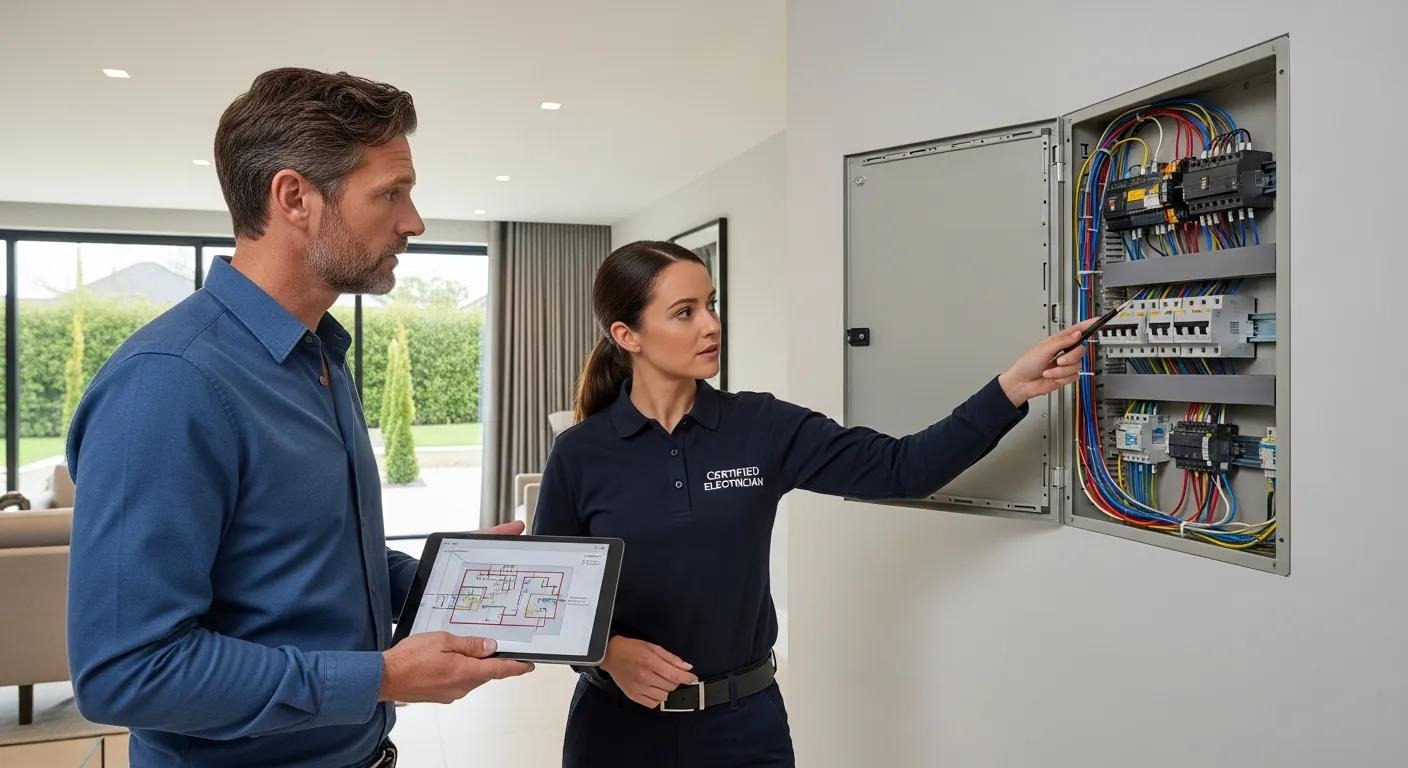
Maintaining a safe and reliable electrical system is essential for homeowners. Electrical faults can cause fires and electrocution; understanding maintenance best practices reduces these risks. This article outlines safety measures, reliability practices, key maintenance tasks, and procedures for inspecting electrical panels and circuit breakers. It also explains the importance of hiring licensed electricians and how Fastwire Electric can assist with your electrical maintenance needs.
Safety Measures
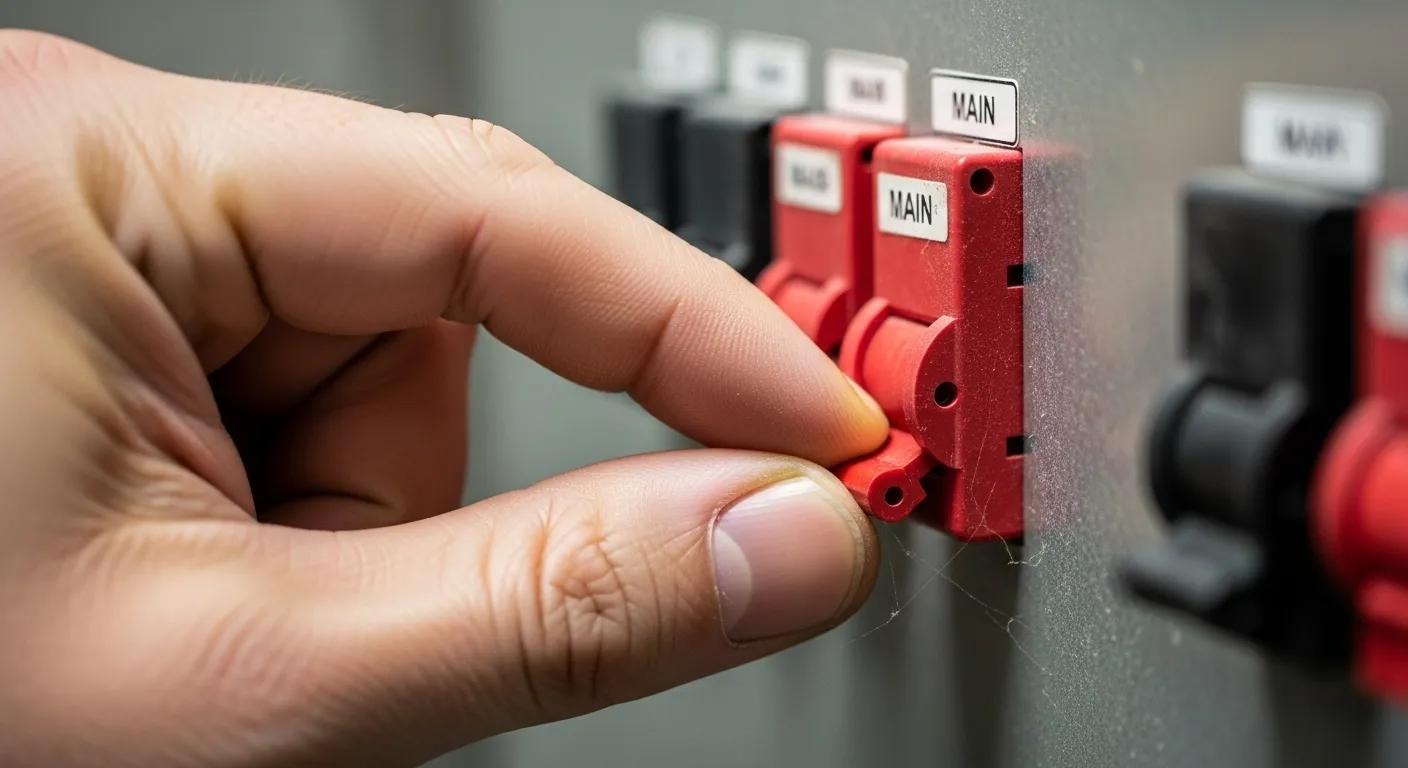
Safety must be the primary consideration when working with electrical systems. Homeowners should adopt specific precautions to prevent accidents and injuries.
- Turn Off Power Before Inspection: Always ensure the power is off at the circuit breaker before inspecting any electrical components.
- Avoid DIY Repairs: While some minor electrical tasks may seem manageable, avoid DIY repairs unless you are a qualified electrician. Incorrect repairs can lead to more significant issues.
- Document Electrical Issues: Keep a record of any electrical problems you encounter. Documenting issues helps professionals diagnose and fix problems more efficiently.
Implementing these measures will reduce the likelihood of electrical accidents in the home.
Reliability Practices
Improving the reliability of electrical systems prevents outages and supports consistent performance.
- Schedule Regular Inspections: Regular inspections by a licensed electrician can identify potential issues before they become serious problems. Aim for inspections every few years.
- Recognize Warning Signs: Be aware of warning signs such as flickering lights, frequent circuit breaker trips, or unusual smells. These can indicate underlying electrical issues that need immediate attention.
- Use Surge Protectors: Installing surge protectors protects devices from voltage spikes that can cause damage and shorten their lifespan.
Following these reliability practices helps ensure smooth and efficient system operation.
Key Maintenance Tasks
Regular maintenance keeps electrical systems in optimal condition. The following tasks are recommended for homeowners:
- Check for Frayed Wires: Inspect cords and wires for signs of wear or damage. Frayed wires are a fire hazard and should be replaced immediately.
- Upgrade Wiring and Panels: If your home has outdated wiring or electrical panels, consider upgrading them to meet current safety standards. Upgrades improve safety and efficiency.
- Install GFCI Outlets: Ground-Fault Circuit Interrupter (GFCI) outlets are essential in moisture-prone areas, such as kitchens and bathrooms. They cut power when a ground fault is detected, helping prevent shocks.
These tasks are essential to maintain the safety and reliability of your home’s electrical systems.
What Is Included in a Comprehensive Home Electrical Safety Checklist?
A comprehensive home electrical safety checklist covers critical items to confirm that systems are safe and operational:
- Inspection of Wiring: Regularly check the condition of your home’s wiring to identify potential hazards.
- Testing of Circuit Breakers: Ensure circuit breakers operate correctly and can handle the electrical load.
- Review of Electrical Panel Condition: Inspect the electrical panel for signs of wear, rust, or damage, that may indicate the need for repairs or upgrades.
Adhering to this checklist enables homeowners to address potential electrical issues proactively.
Which Preventive Electrical Maintenance Tasks Should Homeowners Perform Regularly?
Preventive maintenance reduces the likelihood of electrical failures. Homeowners should perform these routine checks on a regular schedule:
- Regular Inspections Every 3-5 Years: Schedule professional inspections to identify and address potential issues.
- Check for Frayed Wires Monthly: Conduct monthly checks of visible wiring to catch damage early.
- Monitor Circuit Breakers Monthly: Keep an eye on breakers for unusual activity, such as frequent tripping.
These routine tasks support a safe and reliable electrical system.
How Do Circuit Breakers and Electrical Panels Contribute to Home Safety?
Circuit breakers and electrical panels are fundamental to home safety.
Circuit breakers protect the home from overloads by interrupting the current when a fault occurs, preventing overheating and potential fires. Electrical panels distribute power to individual circuits and ensure each circuit receives appropriate capacity. Upgraded panels accommodate the higher loads required by modern appliances and devices.
Awareness of these components underscores the need for regular maintenance and timely upgrades.
How Can Homeowners Effectively Inspect Their Electrical Panels and Circuit Breakers?
Inspecting panels and circuit breakers is a key maintenance activity. Homeowners can follow these steps to conduct an effective inspection:
- Turn Off Power Before Inspection: Always ensure the power is off before inspecting the panel or breakers.
- Visual Inspection for Damage: Look for signs of wear, rust, or damage on the panel and breakers. Any visible issues should be addressed immediately.
- Test Circuit Breakers: Manually test each circuit breaker to ensure it trips and resets properly. This helps identify faulty breakers that need replacement.
These steps help homeowners maintain a safe and functional electrical system.
What Are the Step-by-Step Procedures for Residential Electrical Inspection?
A residential electrical inspection follows several standard steps:
- Turn Off Power: Ensure the power is turned off at the main circuit breaker.
- Visual Inspection: Check visible wiring, outlets, and fixtures for signs of damage or wear.
- Test Circuit Breakers: Manually test each breaker to ensure it operates correctly.
- Document Findings: Keep a record of any issues found during the inspection for future reference.
Adhering to these procedures helps maintain a safe electrical environment.
Which Signs Indicate Electrical Panel or Circuit Breaker Issues?
Homeowners should recognize several signs that may indicate problems with panels or breakers:
- Frequent Circuit Breaker Trips: If breakers trip frequently, it may indicate an overload or a faulty breaker.
- Flickering Lights: Flickering lights can indicate loose connections or issues within the electrical panel.
- Burning Smells: Any burning smells near the panel or outlets should be addressed immediately, as they can indicate serious electrical problems.
Recognizing these signs enables prompt action to prevent electrical hazards.
What Are the Most Common Electrical Problems in Homes and How Can They Be Addressed?
Common residential electrical problems include:
- Faulty Wiring: Old or damaged wiring can cause shorts and fires and should be replaced by a licensed electrician.
- Frequent Circuit Breaker Trips: This may indicate overloads or malfunctioning breakers; a professional should assess the situation.
- Malfunctioning Outlets: Outlets that do not work or have loose connections should be repaired or replaced.
Promptly addressing these issues helps maintain a safe electrical system.
How to Safely Identify and Troubleshoot Frequent Electrical Issues?
Identifying and troubleshooting electrical issues requires caution. Homeowners can take the following steps:
- Safety Precautions: Always turn off the power before inspecting electrical components.
- Common Troubleshooting Steps: Check for tripped breakers, inspect outlets for damage, and test devices on different outlets.
- When to Call a Professional: If issues persist or
ifyou are unsure, contact a licensed electrician for assistance.
Following these guidelines allows homeowners to address electrical issues safely.
When Is It Necessary to Call a Licensed Electrician for Repairs?
Homeowners should contact a licensed electrician in these scenarios:
- Persistent Flickering Lights: If lights flicker consistently, it may indicate a wiring issue that requires professional attention.
- Burning Smell: Any burning smell near electrical components should be addressed immediately by a professional.
- Frequent Circuit Breaker Trips: Regular trips may indicate a serious issue that requires expert evaluation.
Knowing when to call a professional helps prevent further damage and ensures safety.
Can Homeowners Safely Perform DIY Electrical Maintenance, and What Are the Best Practices?
Homeowners may perform simple DIY maintenance, but must understand the risks involved and the limits of what they should attempt.
- Turn Off Power: Always turn off the power before attempting any electrical work.
- Limit DIY Tasks: Only perform simple tasks, such as changing light bulbs or resetting breakers. Leave complex wiring and installations to professionals.
- Recognize Warning Signs: Be aware of signs that indicate the need for professional help, such as persistent faults or unfamiliar issues.
These best practices enable safe management of minor tasks while clarifying when professional assistance is required.
Which DIY Electrical Maintenance Tips Ensure Safety and Compliance?
Homeowners can follow these DIY maintenance tips to maintain safety and code compliance:
- Turn Off Power: Always ensure the power is off before starting any work.
- Limit DIY Tasks: Stick to simple tasks that do not involve complex wiring or installations.
- Consult Local Codes: Familiarize yourself with local electrical codes to ensure compliance with safety standards.
These recommendations support safe and code-compliant electrical maintenance.
What Precautions Should Be Taken to Avoid Electrical Hazards During DIY Tasks?
To avoid hazards during DIY electrical tasks, homeowners should take the following precautions:
- Turn Off Power: Always turn off the power at the circuit breaker before starting any work.
- Inspect for Warning Signs: Look for signs of damage or wear before beginning any electrical tasks.
- Use Proper Tools: Ensure you have the right tools for the job to avoid accidents.
Observing these precautions will minimize the risk of electrical accidents.
Why Is Hiring a Licensed Electrician Essential for Electrical Maintenance and Repairs?
Hiring a licensed electrician is essential for several reasons:
- Professional Expertise: Licensed electricians have the training and experience to handle complex electrical issues safely.
- Compliance with Codes: They ensure that all work complies with local electrical codes, reducing the risk of hazards.
- Quality Workmanship: Licensed electricians provide quality workmanship, ensuring repairs and installations are performed correctly.
Recognizing the value of professional services helps homeowners make informed decisions about electrical maintenance.
What Qualifications and Services Do Licensed Electricians Provide?
Licensed electricians offer the following qualifications and services:
- Valid State License: They must hold a valid state license, demonstrating expertise and knowledge.
- Completion of Apprenticeship: Many electricians complete apprenticeships, gaining hands-on experience.
- Electrical Panel Upgrades: They can upgrade electrical panels to meet modern electrical demands.
These qualifications enable licensed electricians to provide safe and effective electrical services.
How Does Fastwire Electric Ensure Safety and Code Compliance in South Bay Homes?
Fastwire Electric maintains safety and code compliance in South Bay homes through the following practices:
- Compliance with Local Codes: They adhere to all local electrical codes and regulations, ensuring safe installations and repairs.
- Preventive Maintenance Plans: Fastwire Electric offers preventive maintenance plans to help homeowners avoid electrical issues.
- Certified Electrician Expertise: Their team comprises certified electricians with extensive training and experience.
Selecting Fastwire Electric assures homeowners that qualified professionals manage their electrical systems.
How Do Updated California Electrical Codes Impact Residential Electrical Maintenance?
Updated California electrical codes affect residential electrical maintenance in several ways:
- Compliance with Safety Standards: New codes ensure that all electrical work meets current safety standards, reducing the risk of hazards.
- Regular Inspections: Homeowners are encouraged to schedule regular inspections to ensure compliance with updated codes.
- Proper Grounding: Updated codes emphasize the importance of proper grounding to prevent electrical shocks and fires.
Familiarity with these codes helps homeowners maintain safe and compliant electrical systems.
What Are the Key 2024-2026 Electrical Code Changes Homeowners Should Know?
Homeowners should note the following key electrical code changes for 2024–2026:
- Updated Safety Standards: New standards enhance safety measures for residential electrical systems.
- New Grounding Requirements: Updated codes introduce stricter grounding requirements to improve safety.
- Enhanced Circuit Protection: Changes include improved circuit protection to prevent overloads and electrical fires.
Staying informed about these changes helps ensure continued compliance and safety.
How Do These Codes Enhance Electrical Safety and Fire Prevention?
Updated electrical codes improve safety and fire prevention by implementing clearer requirements and protections.
- Compliance with Safety Standards: Ensuring that all electrical installations meet rigorous safety standards reduces the risk of electrical fires.
- Regular Inspections: Encouraging regular inspections helps identify potential hazards before they become serious issues.
- Fire Prevention Measures: New codes include specific fire-prevention measures, such as improved circuit protection and grounding requirements.
Understanding these improvements underscores the importance of compliance.
What Energy-Efficient Electrical Upgrades Can Homeowners Consider During Maintenance?
During maintenance, homeowners can consider the following energy-efficient upgrades:
- LED Lighting: Switching to LED lighting can significantly reduce energy consumption and costs.
- Smart Thermostats: Installing smart thermostats can optimize heating and cooling efficiency, leading to energy savings.
- Energy-Efficient Appliances: Upgrading to energy-efficient appliances can lower energy bills and reduce environmental impact.
These upgrades improve energy efficiency and contribute to long-term cost savings.
Which Electrical Upgrades Improve Home Safety and Reduce Energy Costs?
Several electrical upgrades can improve home safety while reducing energy costs:
- Smart Devices: Installing smart devices can enhance energy management and improve safety through real-time monitoring.
- Electrical Panel Upgrades: Upgrading electrical panels can meet modern electrical demands and improve safety.
- Wiring Upgrades: Replacing old wiring with modern materials can reduce the risk of electrical fires and improve efficiency.
Investing in these upgrades results in a safer and more energy-efficient home.
The trend toward home electrification underscores the need to ensure your electrical panel can handle increased demand.
Residential Electric Panel Upgrades for Electrification
This chapter summarises an analysis by the California Center for Sustainable Communities at UCLA on the anticipated need for residential electric service panel upgrades to support the LA100 decarbonization targets. A significant barrier for LADWP customers is the rated capacity of existing electrical service panels.
Service Panel Upgrade Needs for Future Residential Electrification, ED Fournier, 2023
How Can Smart Home Electrical Safety Devices Support Preventive Maintenance?
Smart electrical safety devices support preventive maintenance by providing monitoring and early alerts for potential issues.
- Real-Time Monitoring: These devices provide real-time monitoring of electrical systems, alerting homeowners to potential issues.
- Energy Management: Smart devices can help manage energy consumption, leading to cost savings and improved efficiency.
- Increased Reliability: By detecting issues early, smart devices can enhance the reliability of electrical systems.
Integrating smart devices into maintenance routines improves both safety and efficiency.
Where Can Homeowners Find Reliable Electrical Maintenance Services in South Bay Southern, California?
Homeowners in South Bay Southern, California seeking, reliable electrical maintenance services can contact Fastwire Electric. They provide home electrical maintenance, safety inspections, troubleshooting, and repair services. Their team of licensed electricians is dedicated to delivering high-quality service to protect the safety and reliability of your electrical systems.
How to Schedule Prompt and Licensed Electrical Maintenance with Fastwire Electric?
Scheduling maintenance with Fastwire Electric is straightforward:
- Contact Methods: Homeowners can reach out by phone at (310) 896-1944 or by email at service@fastwireelectric.com.
- Business Hours: Fastwire Electric operates during regular business hours to accommodate customer needs.
- Appointment Confirmation: Once contacted, the team will confirm the appointment and discuss the the required services.
These steps ensure prompt and professional electrical maintenance.
What Customer Support and Safety Guarantees Does Fastwire Electric Offer?
Fastwire Electric provides customer support and safety guarantees that include:
- Service Responsiveness: Their team is responsive to customer inquiries and concerns, ensuring timely communication.
- Warranty Coverage: Fastwire Electric offers warranty coverage for its services, providing peace of mind to homeowners.
- Safety Protocols: They adhere to strict safety protocols to ensure the safety of both their team and customers during all electrical work.
These guarantees reflect Fastwire Electric’s commitment to safety and customer satisfaction.
Frequently Asked Questions
What are the benefits of regular electrical inspections?
Regular electrical inspections detect hazards early, prevent costly repairs, and ensure safety. They identify outdated wiring, overloaded circuits, and other issues that could cause fires or outages. Scheduling inspections every few years helps maintain compliance with safety standards and extends the lifespan of electrical systems. A licensed electrician can recommend upgrades to improve efficiency and safety, potentially reducing long-term costs.
How can homeowners improve energy efficiency in their electrical systems?
Homeowners can improve energy efficiency by upgrading to LED lighting, installing smart thermostats, using energy-efficient appliances, and ensuring proper insulation. Regular maintenance—such as checking for frayed wires and updating electrical panels—also supports efficiency and safety in the home.
What should homeowners do if they notice unusual smells or sounds from their electrical systems?
If you detect burning or acrid odors, or hear buzzing or crackling from electrical systems, take immediate action. Turn off the power at the circuit breaker and avoid using affected outlets or devices. Contact a licensed electrician promptly to diagnose and repair the issue, as these signs can indicate faulty wiring or overloaded circuits that present fire or shock hazards.
What are the risks of ignoring electrical maintenance?
Ignoring electrical maintenance increases the risk of electrical fires, equipment damage, and personal injury. Wear and deterioration of wiring, outlets, and circuit breakers can create hazardous conditions. Skipping regular inspections allows issues to escalate into costly repairs. Additionally, outdated systems may not meet current safety codes, exposing homeowners to potential legal liabilities. Regular maintenance is essential for safety, reliability, and compliance.
How can smart home technology enhance electrical safety?
Smart home technology enhances electrical safety by providing real-time monitoring and alerts for potential issues. Devices such as smart smoke detectors, smart plugs, and smart circuit breakers can notify homeowners of overheating or power surges and can disconnect power when necessary. Integrating smart technology improves early detection, energy management, and overall household safety.
What are the signs that indicate a need for electrical panel upgrades?
Signs that an electrical panel may need upgrading include frequent circuit breaker trips, flickering lights, and the inability to power multiple devices simultaneously. Visible rust, corrosion, or physical damage to the panel suggests it may not meet current safety standards. Upgrading to a modern panel accommodates higher electrical demand, enhances safety, and improves overall system efficiency.
Conclusion
Maintaining safe and reliable electrical systems is critical to preventing hazards and ensuring efficient operation. By performing key maintenance tasks and recognizing warning signs, homeowners can address potential issues proactively. For expert assistance, contact a licensed electrician who can provide tailored solutions. Explore the services Fastwire Electric offers to protect your home.