Selecting the correct licensed residential electrician is essential to maintain your home’s electrical safety and efficiency. This guide clarifies the selection process by identifying the key factors to consider, questions to ask, and steps to ensure quality service. Understanding licensing, experience, and customer feedback will help you make informed decisions that protect your home and family. The guide also describes the qualifications and services you should expect from a professional residential electrician.
Throughout this guide, you’ll find practical tips for vetting electricians, comparing written estimates, and preparing for service calls. Use the checklist items and FAQ to make faster, safer decisions when you contact candidates.
Important Factors to Consider:
Several factors affect the selection of a residential electrician. Assessing these elements will help you find a qualified professional suited to your requirements.
Licensing and Qualifications:
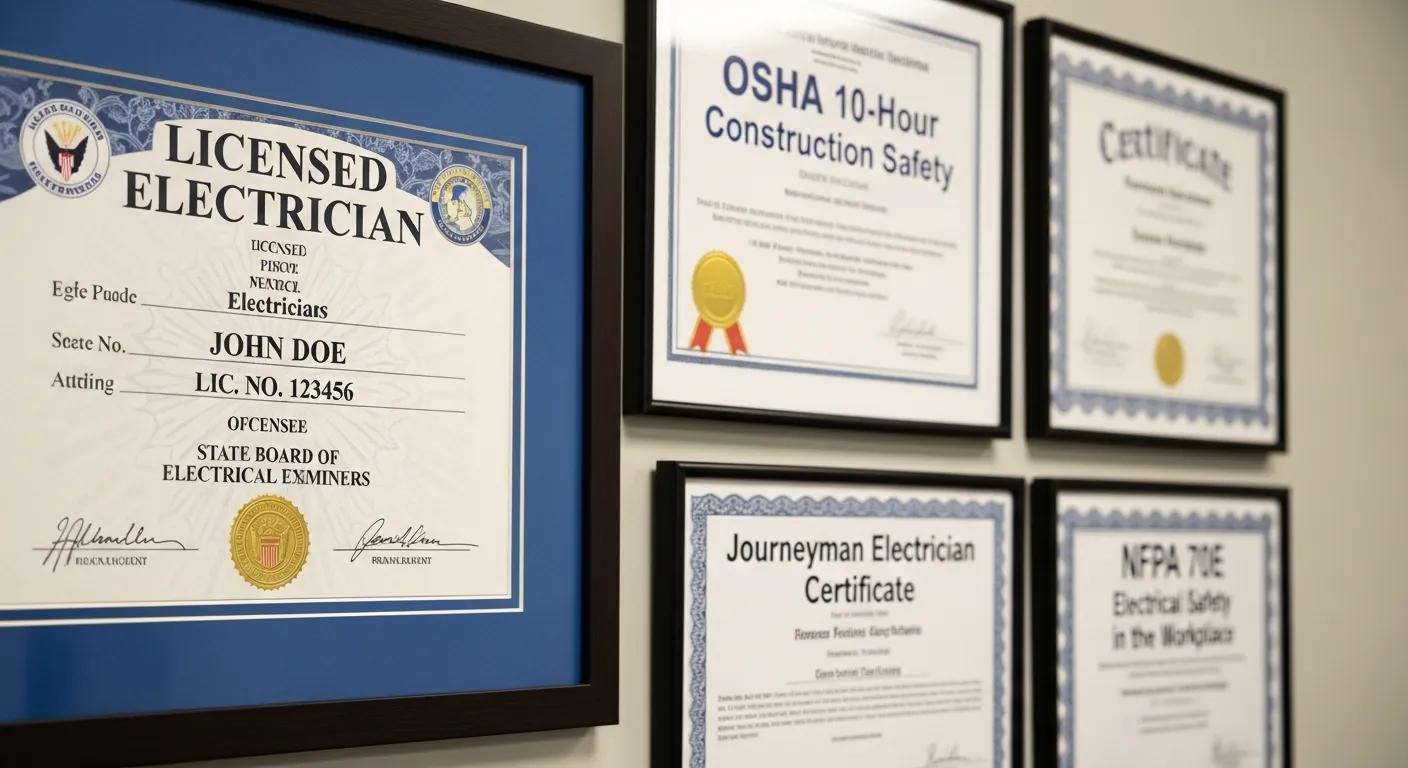
Licensing and qualifications are essential when hiring a residential electrician. A valid state license confirms that the required training and education have been completed. Completion of an apprenticeship provides practical, on-the-job experience. Certifications from organizations such as the National Electrical Contractors Association (NECA) indicate adherence to professional standards and continuing education.
When verifying credentials, ask for the electrician’s license number and expiration date, and confirm the license’s active status through your state licensing board’s website. It is reasonable to request proof of any specialty certificates or continuing education courses that keep a professional up to date with recent code updates.
Research further underscores the structured training and rigorous requirements for electrician licensing.
Electrician Licensing: Training & Qualifications
This article examines the training required by occupational licensing, using electricians—a regulated occupation—as an example.
Life, limbs, and licensing: Occupational regulation, wages, and workplace safety of electricians, 1992-2007, MM Kleiner, 1992
Experience:
Experience is a key determinant of work quality. An electrician with substantial residential experience diagnoses problems more quickly and delivers effective solutions. Their familiarity with common issues enables them to provide appropriate recommendations, helping ensure your electrical system operates safely and efficiently. Review candidates’ track records and past projects when evaluating suitability.
Ask about years of residential work and examples of similar projects such as panel upgrades, whole-home rewiring, or lighting retrofits. Experienced electricians will describe timelines, potential complications, and alternate approaches so you can weigh cost versus long-term reliability. Requesting before-and-after photos or summaries of recent jobs can also clarify capability.
Range of Services:
The range of services a residential electrician provides is an important consideration. Typical offerings include electrical panel upgrades, wiring and lighting installation, and troubleshooting. A versatile electrician can manage both simple repairs and complex installations; confirm that they provide the specific services you require.
When evaluating scope, confirm whether the electrician handles permit pulls, coordination of inspections with local authorities, and in-house testing. Ask if they install safety devices such as GFCIs and AFCIs and whether they subcontract specialized work; knowing what is performed directly by the contractor reduces surprises.
Customer Reviews:

Customer reviews are a practical way to assess reliability and quality. Check online reviews and request recommendations from friends or family. Look for consistent feedback on punctuality, professionalism, and the quality of work performed to inform your decision.
Evaluate patterns in reviews rather than single comments. Positive signals include repeat customers, detailed testimonials, and photos of completed work. Red flags include repeated mentions of missed appointments, unexplained cost increases, or incomplete jobs; follow up with references to clarify any concerns.
Local Expertise:
Hiring a local electrician offers advantages such as familiarity with local building codes and faster response times. Local professionals are often more responsive to service calls and better able to address area-specific requirements.
Local contractors frequently have working relationships with inspectors and supply houses, which can expedite inspections and reduce delays in obtaining parts or permits.
Essential Questions to Ask:
Before hiring a residential electrician, ask targeted questions to confirm they are the right fit for your project. Consider the following inquiries.
- What is your licensing status? Confirm that the electrician holds a valid license to operate in your state.
- Can you provide references or testimonials?: Request contact information for previous clients to gain insights into their experiences.
- Do you specialize in any specific services? Understanding their areas of expertise can help you determine if they are suitable for your needs.
- Do you provide a written warranty and handle permits?: Ask whether work is covered by a warranty, who pulls necessary permits, and how permit fees are handled.
Tips for Ensuring Quality Service:
To secure quality electrical service, follow these established best practices.
- Request written quotes: Obtain detailed estimates to avoid unexpected costs.
- Verify insurance: Ensure the electrician has liability insurance to protect you from potential damages.
- Check for compliance: Confirm that the electrician adheres to local codes and regulations.
Additionally, agree in writing on communication expectations, project timelines, and payment schedules to reduce misunderstandings.
Why Is Hiring a Licensed Residential Electrician Important?
Hiring a licensed residential electrician ensures compliance with legal requirements and safety standards, protecting your home and family. Licensed electricians complete rigorous training and testing and possess the knowledge to perform work safely and effectively. Engaging a licensed professional also assures that the work will meet accepted standards.
Fastwire Electric is a licensed electrical contractor serving residential and commercial clients in Southern California’s South Bay. Their commitment to quality and safety makes them a reliable choice for homeowners seeking professional electrical services.
What Qualifications and Certifications Should a Licensed Electrician Have?
A licensed electrician should hold key qualifications and certifications to perform electrical work safely and competently. These typically include:
- Valid state license: Confirms that the electrician has met the necessary training and education requirements.
- Completion of apprenticeship: Provides hands-on experience in the field.
- Relevant certifications: Demonstrates a commitment to professional standards and ongoing education.
How Does Licensing Ensure Electrical Safety and Compliance?
Licensing promotes electrical safety and compliance by requiring electricians to meet defined training and education standards. Licensed electricians are familiar with local building codes and safety regulations, which reduces the risk of accidents and helps ensure work is performed correctly. This protection benefits both the homeowner and the electrical system’s integrity.
What Residential Electrical Services Should You Expect?
When hiring a residential electrician, expect a range of services tailored to your needs. Common services include those listed in the table above.
| Service | Description | Typical Pricing |
|---|---|---|
| Electrical Panel Upgrades | Upgrading your electrical panel to handle increased power demands. | $1,200 – $3,000 |
| Troubleshooting and Repairs | Diagnosing and fixing electrical issues in your home. | $75 – $150 per hour |
| General Maintenance | Routine checks and maintenance to ensure electrical systems are functioning properly. | $100 – $200 per visit |
These services are necessary to maintain a safe and efficient electrical system in your home.
How Do Licensed Electricians Handle Emergency Repairs and Upgrades?
Licensed electricians respond to emergencies and upgrades in a structured manner: they assess the situation, implement immediate safety measures, diagnose the problem, present repair options, and promptly restore power and safety.
In emergencies, a licensed electrician will outline immediate fixes and longer-term repairs, explain required permits or inspections, and provide a written cost estimate before non-emergency work begins.
How to Verify an Electrician’s License and Insurance Status?
Verifying an electrician’s license and insurance is a critical step in the hiring process. Follow these steps to confirm their credentials.
- Check licensing status: Visit your state’s licensing board website to confirm the electrician’s license is valid and up to date.
- Request proof of insurance: Ensure the electrician carries liability insurance to protect against potential damages.
- Read customer reviews: Look for feedback from previous clients to gauge the electrician’s reliability and the quality of their work.
Where Can You Check the Validity of an Electrician’s License in California?
In California, verify an electrician’s license through the California State Licensing Board website. The site provides license status, disciplinary history, and qualification details. Also, request proof of insurance and review customer feedback to assess credibility further.
Why Is Insurance Coverage Essential for Residential Electricians?
Insurance coverage provides liability protection for accidents or damages that occur during electrical work. This coverage prevents homeowners from being held financially responsible for mishaps. Look for general liability insurance and workers’ compensation to protect both the electrician and the homeowner.
What Are the Cost Factors for Hiring an Affordable Residential Electrician?
Several factors influence the cost of hiring a residential electrician. These include job complexity, the electrician’s experience, and the local cost of living, which can affect labor and material rates.
How Is Pricing Determined for Home Electrical Services?
Pricing for home electrical services is typically based on a combination of factors, including hourly rates, flat fees for specific services, and additional costs for materials and time required to complete the job.
When comparing quotes, request three written estimates whenever practical and compare the scope of work line by line rather than choosing solely on price. Clear scope and written timelines reduce the chance of unexpected charges.
What Should You Expect in Transparent Pricing and Estimates?
When hiring an electrician, expect transparent pricing and detailed written estimates. This should include a clear cost breakdown, disclosure of potential additional charges, and an explanation of pricing structures for labor and materials.
A good estimate lists labor, parts, permit fees, expected completion time, and any contingencies. Ask the contractor to explain items you do not understand before work begins.
How to Schedule and Prepare for an Electrician’s Visit?
Scheduling and preparing for an electrician’s visit involves: contacting the electrician to discuss needs and set an appointment, providing relevant information about the issue, and ensuring the work area is accessible and free of obstacles.
- Contact the electrician: Reach out to discuss your needs and schedule a visit.
- Provide information: Share details about the electrical issues you are experiencing.
- Prepare the work area: Ensure it is accessible and free of obstacles to facilitate the electrician’s work.
Consider clearing the work area of pets, labeling any known circuits, and leaving space near the electrical panel for safe access.
How Can Homeowners Prepare for an Electrician’s Service Call?
Homeowners can prepare by ensuring clear access to work areas, gathering relevant documents such as prior electrical work or permits, and documenting specific problems or concerns to discuss with the electrician.
- Ensure clear access: Make sure the electrician can easily access the areas where work will be performed.
- Gather relevant documents: Have any necessary paperwork, such as previous electrical work or permits, ready for review.
- Document issues: Write down any specific problems or concerns to discuss with the electrician.
What Electrical Safety and Inspection Tips Should Homeowners Know?
Homeowners should follow routine safety and inspection practices to maintain a safe environment and reduce risk.
- Regular inspections: Schedule routine electrical inspections to identify potential hazards.
- Identifying hazards: Be vigilant for signs of electrical issues, such as flickering lights or tripped breakers.
- Compliance with safety standards: Ensure all electrical work complies with local safety regulations.
Also, ensure that safety devices, such as GFCI outlets, are tested periodically, and ask your electrician to label the breaker switches and provide a simple map of your panel for future reference.
How Do Electrical Safety Inspections Protect Your Home?
Electrical safety inspections identify potential hazards and verify compliance with safety standards. They can reveal outdated wiring, overloaded circuits, and faulty connections. Addressing these issues proactively helps prevent electrical fires and other dangers, protecting your home and family.
What Are Key Checklist Items for Residential Electrical Safety?
To maintain electrical safety in your home, consider the following checklist items.
- Frayed wires: Inspect cords and wires for signs of wear or damage.
- Loose connections: Ensure all electrical connections are secure to prevent arcing.
- Overloaded circuits: Avoid overloading outlets and circuits to reduce the risk of fires.
Why Choose Fastwire Electric as Your Trusted Residential Electrician in South Bay?
Fastwire Electric is recognized in the South Bay area for its commitment to quality and customer satisfaction. Their team of licensed professionals handles a wide range of electrical services to keep homes safe and efficient. With an emphasis on transparency and reliability, Fastwire Electric aims to deliver consistent, professional service to each client.
What Unique Value Propositions Does Fastwire Electric Offer?
Fastwire Electric offers distinct value propositions that set it apart from competitors.
- Specialization in panel upgrades: Their expertise in electrical panel upgrades ensures your home can handle modern power demands.
- Customer-centric approach: Fastwire Electric prioritizes customer satisfaction, providing personalized service tailored to individual needs.
- Fair pricing: They offer competitive pricing without compromising on quality, making their services accessible to homeowners.
How Do Customer Testimonials Reflect Service Reliability and Satisfaction?
Customer testimonials provide insight into service reliability and satisfaction. Positive feedback commonly highlights punctuality, professionalism, and the quality of work. Reviewing testimonials helps prospective clients evaluate others’ experiences and make informed hiring decisions.
Where possible, ask for references and contact previous clients to confirm specifics such as adherence to timelines, communication, and how warranty or follow-up issues were handled.
If you have any questions or need to contact us, please visit our website.
Frequently Asked Questions
What should I do if I have an electrical emergency?
If you experience an electrical emergency—such as a power outage, sparking outlets, or burning smells—act immediately. Turn off the power at the circuit breaker to reduce risk. If the situation is dangerous, evacuate and contact emergency services. After securing safety, contact a licensed electrician to assess and resolve the issue. Do not attempt to repair serious electrical problems yourself.
How can I find a licensed electrician in my area?
To find a licensed electrician, search online directories and local home services listings. Sites such as Angie’s List, Yelp, and the Better Business Bureau provide reviews and ratings. Ask friends, family, or neighbors for recommendations, and verify each candidate’s licensing status and insurance coverage before hiring.
You can also contact your local building department or trade associations for referrals to electricians who regularly pass inspections and work with local code officials.
What are the signs that I need to upgrade my electrical panel?
Signs that you may need an electrical panel upgrade include frequent breaker trips, flickering lights, or a panel more than 20 years old. Adding new appliances or expanding the home can also exceed the panel’s capacity. An upgrade improves safety, efficiency, and system performance.
How often should I have my electrical system inspected?
Have your electrical system inspected at least once every three to five years. Inspect more frequently for older homes, after renovations, or when you notice electrical issues. Regular inspections help identify hazards, ensure compliance with safety standards, and maintain system efficiency.
What should I do if I receive a quote that seems too low?
Approach unusually low quotes with caution. They may indicate inexperience, inferior materials, or hidden costs. Request a detailed breakdown of the estimate and compare multiple quotes. Prioritize reliability and quality over price alone.
Can I perform my own electrical work if I have some experience?
Even with some experience, it is not advisable to perform electrical work unless you are a licensed electrician. Electrical systems are complex and dangerous; improper work can cause fires or electric shock. Hiring a licensed professional ensures work is safe and compliant with local codes.
What are the benefits of hiring a local electrician?
Hiring a local electrician offers familiarity with local building codes and regulations, faster response times to service calls, potential supplier relationships that can lead to better material pricing, and the added benefit of supporting the local economy.
Conclusion
Selecting the right licensed residential electrician is vital for your home’s safety and efficiency. By evaluating licensing, experience, and customer reviews, you can make an informed choice that protects your family and property. Contact local professionals to obtain the quality service you require and ensure your home remains safe and efficient.